Sunday, January 20, 2019

The Second Sunday after the Epiphany of Our Lord (Epiphany 2)


John 2:1-11; Romans 12:6-16; Exodus 33:12-23

In the Name of the Father and of the + Son and of the Holy Spirit.
And so we are in the midst of the season of Epiphany. Each Sunday’s lessons were selected over a millennium ago by the gathering of the faithful, the Church, because they manifest whom Jesus is and what He has come to do. Therefore, when we consider these Scriptures, we must consider not only how they would have been heard and understood at the time of their telling, but also what meaning was intended from their placement within the Gospel narrative and the Church’s historic lectionary. Thus, the Wedding at Cana tells us, not merely the story of a particular wedding, although it certainly does that, but we must consider also the Evangelist’s placement of this particular story within the Gospel he authored. Indeed, this story appears only in John’s Gospel, and it is followed immediately by Jesus’ cleansing of the temple, which the other Gospels place within the account of Jesus’ passion. What are we to make of John’s inclusion of this wedding, seemingly ignored by the Synoptics? What are we to make of John’s unusual connection of this narrative with the cleansing of the temple? These are but two questions to be considered on this Second Sunday after the Epiphany of our Lord, that Jesus may be made manifest before us as God’s Son and our salvation in human flesh.
Understood as God instituted it, there is something about marriage that is connected with death – the death of the self. For, in marriage, the husband dies to himself and pledges his life to his wife; likewise, the wife dies to herself and pledges her life to her husband. In this selfless and self-sacrificial way, the two become one flesh. They are no longer two, but they are one flesh, even one creature, united by God, which man must not separate. St. John records Jesus’ first miracle having taken place at a wedding and, to be sure, passion imagery abounds: The crisis occurred “on the third day” of a wedding feast. Jesus said that His “hour had not yet come.” In the casting out of the money-changers from the temple, which follows immediately upon the wedding narrative, Jesus makes an explicit reference to His death and resurrection saying “Destroy this temple, and in three days I will raise it up.” The temple He was referring to was His body. For, it was through His suffering, death, and resurrection that Jesus perfectly loved His Bride, the Church, giving His life for Her. He loved Her more than He loved Himself. He laid down His life for Her in selfless, sacrificial love that She might live. This is the connection that John, and the Holy Spirit who inspired him to write, mean for you to make.
Therefore, the crisis was not merely that a wedding banquet had run out of wine, though that would surely have been a social blunder and a great embarrassment for the family, but rather the crisis was that man’s life, joy, and hope for the future had run out because of his sin – the joylessness and hopelessness of death had become his fate. This was the crisis that His faithful mother, who believed in Him, asked Him to resolve. This was the crisis that He did resolve by fulfilling God’s Law for us and by dying in our place, that we might have life and joy and hope once again. Those six stone jars held water used to purify men for participation in the feast. Jesus had those jars filled to the brim so that they were full and complete, and then He did something more: He changed the water into wine, the finest wine imaginable. Where the water only purified for a time, His blood that He shed upon the cross for us purifies forever. Indeed, He gives us His cleansing blood now in the fruit of the vine which we drink in Holy Communion for the forgiveness of our sins, the strengthening of our faith, and eternal life through faith in Him.
John’s Gospel is thought to be constructed around seven signs performed by Jesus, of which the changing of water into wine is the first. Thus, John’s Gospel is more a catechism intended to teach the faithful revealed truths about Jesus than it is a narrative telling the story of His life and works. Each and every account recorded by John was selected and recorded for a specific purpose. Ultimately, that purpose was to demonstrate that, in Jesus, God’s Messianic reign had begun through which Jesus would restore His Father’s kingdom and make all things new. This is precisely how we must understand today’s Gospel: Jesus is revealed as God’s Messiah come to restore His fallen creation by means of His selfless and sacrificial death on the cross. Where man’s sin had introduced suffering and death into the world, robbing us of peace and joy and hope, Jesus came, not merely to reverse the curse, but to fulfill perfectly and completely all that we failed to do and then, even more, to recreate, restore, and renew His Father’s kingdom.
Jesus is the perfect and sinless Bridegroom who selflessly laid down His life in death to redeem His Bride, God’s children, the Church from Her sin and death. His life was Her life. She had forfeited Her own life, not for Her Husband, but to Satan. While God was faithful and selfless, His people played the adulterer, the fornicator, the idolater, and the unfaithful Bride. Because of this, man’s wedding feast had run out of wine, and there was no human way of getting more, of restoring man’s peace, hope, and joy. Mary, the mother of our Lord, has long been a symbol of the entire Church. In this narrative, it is Mary who appeals to Jesus in faith saying, “Do something!” Mary believed that Jesus was able to do something and that He would. His odd sounding protest is actually quite revealing, “My hour has not yet come.” Jesus’ “hour” is the time of His passion, His suffering and death upon the cross. Jesus answered His mother saying, “The time for me to lay down my life in selfless sacrifice and death for the Church has not yet come. Nevertheless, I will give this foretaste and foreshadowing of who I am and what I will do now. I will change the water of purification into the wine of joy as a sign that my dear Bride may trust in me and believe that I will purify Her and restore to her hope for eternal life and joy when I shed my blood for Her upon the cross.”
When the master of the feast tasted the water that had been made to be the finest of wines, he exclaimed, “Everyone serves the good wine first, and when people have drunk freely, then the poor wine. But you have kept the good wine until now.” Indeed, this is how it is with men, but not with God. Whatever you have received from God that you count as good, now, is but a foretaste of the goodness He has laid up for you. This is as true for you today as it was for Adam in the beginning, for Abraham, Isaac, Jacob, and Moses, for David, for the guests at the wedding in Cana, and for the saints at rest with Jesus now. We are all, still, waiting in hopeful and joyful expectation for the feast to come, the Great Marriage Feast of the Lamb in His Kingdom that has no end! Yes! That is how the Revelation describes heaven, as a wedding feast where the Bridegroom is Jesus and where you, His Church, are the Bride! It is pictured as Eden, the Garden of Paradise, on steroids – so much greater still than that which we commonly consider perfection and paradise!
This kingdom is yours even now, though you do not see it or experience in its fullness and glory. However, you do see it and experience it through God’s Word and His Blessed Sacraments, particularly and especially in the Supper of the Lamb who has died and is alive again. Here at this banquet table we receive our sustenance and life, our hope and faith is strengthened and renewed, and we are kept and preserved in eternal life through Holy Communion with our living Lord and Husband. Yet, as good and comforting and revitalizing as it is, it is but the dimmest foretaste of that Great Feast to come! It is like manna during our wilderness pilgrimage. It is like the overflowing cup as we walk though the valley of the shadow of death. But, it is enough, it is more than enough for now, for through it, in communion with Christ, we do not walk alone, but He is with us, just as He promised, unto the end of the age.
In the + Name of Jesus. Amen.

Sunday, January 13, 2019

The Feast of the Holy Baptism of Our Lord


Matthew 3:13-17; 1 Corinthians 1:26-31; Isaiah 42:1-7

In the Name of the Father and of the + Son and of the Holy Spirit.
Children of God, let us not make light of the Baptism of our Lord, and let us not make light of our own baptism, for it is because of His baptism that our Lord’s death was efficacious, and it is because of His baptism that your baptism is efficacious. Jesus’ baptism was fitting, it was proper, it was necessary. Thus, when Jesus approached John to be baptized by him, John protested saying “I need to be baptized by you.” Jesus did not deny John’s complaint but, agreeing, He replied “Let it be so now, for thus it is fitting for us to fulfill all righteousness.” The baptism of Jesus was fitting, it was proper, it was necessary for the fulfillment of all righteousness. Or, to state it negatively, all righteousness would not be have been fulfilled were it not for the baptism of Jesus. Thus, we dare not make light of the Baptism of our Lord, and we dare not make light of our own baptism.
But what is it about Jesus’ baptism that is so special, so necessary? Here, the placement of this Feast in the Sanctoral Calendar is informative. The Feast of the Baptism of our Lord is celebrated the Sunday after the Epiphany, immediately on the heels of the Christmas cycle celebrating the Birth of our Lord. So, as the story of the birth of Jesus is still fresh in our minds we are caused to reflect upon the second birth of our Lord – His holy baptism. Consider the language of Jesus’ baptism: And when Jesus was baptized, immediately He went up from the water, and behold, the heavens were opened to Him, and He saw the Spirit of God descending like a dove and coming to rest on Him; and behold, a voice from heaven said, “This is my beloved Son, with whom I am well pleased.” It sounds like an infant child passing through the birth canal into the light of day being received by His loving Father crying out, “It’s a boy! And, He’s perfect!” And then, what does our Lord teach us about baptism: Unless one is born again of water and the Spirit, he cannot enter the kingdom of God.
Indeed, it was fitting, it was proper, it was necessary for our holy and sinless Lord to step into the waters of the Jordan, along with sinners of all kinds, so that He could take the sins of all humanity upon Himself and, in exchange, make all men righteous through Him. In His baptism, Jesus, who was conceived and born without sin, was born again in sin, man’s sin, and was made to be sin for us that we might be made righteous in Him.
It was Creation all over again! The Father spoke. The Son was spoken. And the Spirit of God hovered over the waters. But, what was created this time was a new man, a new Adam, a new son of God with whom He could be fully pleased. The old Adam had closed heaven by his sin; the New Adam has opened it! The old Adam drowned in the waters of the Jordan; the New Adam stepped forth into life and light. The uncreated Son of God became a creature as the Son of Man – it is upon Him, Jesus, that God poured out His anointing Spirit and christened Him Son, Christ, Messiah, Savior – for you.
Jesus’ baptism was fitting, it was proper, it was necessary to fulfill all righteousness. If Jesus had not been baptized, then we would have no Christ and we would still be in our sins, our baptisms would be meaningless and useless. But Jesus has been baptized, He is the Christ, the Anointed of the Lord, and He has taken all our sins upon Himself and has given us His righteousness. He has sanctified the waters of Baptism in His blood to make them a cleansing flood of forgiveness for all men. He is God’s Son for us; with Him God is fully pleased for us. He is the Chosen One, chosen by the Father, and the Father put His Spirit upon Him and no other – for us.
His baptism marks the beginning of Jesus’ ministry. At once He is subject to temptation by the devil and mockery and persecution by men. And, at once He begins to proclaim the fulfillment of God’s Law and the presence of His Kingdom. He heals the sick, restores sight to the blind, hearing to the deaf, and speech to the dumb, He makes the paralyzed to walk and He cleanses lepers while proclaiming the forgiveness of sins. His teaching is that, in Him you are forgiven, you are free. Why, then, do you remain in the prison house of sin and death? Why do you continue to strive to earn God’s favor by works? Take up your mat and walk! Go, and sin no more! Your faith has made you well!
Of Jesus, God said through the prophet Isaiah, “I am the LORD; I have called you in righteousness; I will take you by the hand and keep you; I will give you as a covenant for the people, a light for the nations, to open the eyes that are blind, to bring out the prisoners from the dungeon, from the prison those who sit in darkness.” Children of God, it is still Christmas, and Jesus is the Gift that keeps on giving! “And because of Him,” writes the Apostle Paul, “You are in Christ Jesus, who became to us wisdom from God, righteousness and sanctification and redemption.” Jesus is your Anointed One, Christ for you. Because of His baptism is your baptism a cleansing flood of forgiveness. For, you are baptized into Christ: His baptism is your baptism. His righteousness is your righteousness. His death is your death and His resurrection is your resurrection. He is God’s Son, with whom God is well pleased; through baptism into Him, you are God’s children, forgiven, freed, and possessing eternal life and salvation!
Blessed be the LORD, the God of Israel, who alonedoes wondrous things! Your baptism, your faith, your forgiveness, your righteousness – these are the LORD’s work who alonedoes wondrous things. The LORD upheld and chose His servant Jesus. The LORD took delight in Him. The LORD placed His Spirit upon Him. The LORD called Him in righteousness. The LORD gave Him as a covenant for the people and as a light for the nations. For, God has chosen the weak and the foolish things of this world, the low and the despised, even things that are not, to shame the wise and the strong; and the LORD has chosen and called you to faith and baptism into Christ that He might say of you, “This is my beloved Son, with whom I am well pleased.” In Christ, God became man that man might become God. Christ is baptized. Let us descend with Him that we may also ascend.
In the + Name of Jesus. Amen.

Thursday, January 10, 2019

Christian Funeral for Virginia Lucille Rieken


John 5:24-30; Revelation 7:9-17; Job 19:21-27                                                                                

In the Name of the Father and of the + Son and of the Holy Spirit.
Life in Post-Depression America was hard. Life on a Post-Depression American farm in Iowa was harder. That was the life young Virginia grew up in. Pre-deceased by her two older sisters, Virginia found herself the oldest child and having to work, and to work hard, to provide for her family. Splitting wood, picking corn, milking cows, cooking meals, washing, mending, and making clothes were part and parcel of young Virginia’s day to day life. Her family didn’t own a car, so walking was the order of the day whether it was to school, to church, or to Sunday School. When she was older, Virginia looked back on her childhood with some bitterness for the hardness of it, but it wasn’t all bad, and it made her the woman, wife, mother, grandmother, and great-grandmother she would become. Those were formative years. When nothing comes easy, it teaches you to appreciate what you have.
I asked the family how Virginia’s childhood and upbringing shaped her as a person. The word “bitter” was spoken. Now, that might sound fairly negative, but I ask you to not be too hasty in judgment. That was Tuesday morning. Virginia had passed away less than twenty-four hours earlier. The reality was fresh, and likely hadn’t fully settled in. Emotions were raw and untempered – What you see is what you get. But, let’s be honest; Virginia undoubtedly was a little bitter about her past. Undoubtedly she felt that the best years of her life – the years of her youth, when she was full of life and hope, natural beauty and vitality – had been stolen from her. Virginia knew that life can be hard, that nothing is free, and that, just because we aren’t all dealt the same cards, we have to play what’s in our hand. Perhaps “bitter” was a word spoken with a taint of emotion – sadness, shock, grief, sorrow, and the like? Perhaps “resigned,” “resolute,” or “long-suffering” might be more rounded and encompassing descriptions of Virginia?
In this respect, Virginia shared something in common with the patriarch Job in our Old Testament reading. Job was a wealthy and righteous man, blessed by God. Inexplicably, however, the LORD handed Job over to be tested by Satan. First Satan afflicted Job’s wealth and possessions. Then he afflicted Job’s children. Lastly, Satan afflicted Job’s body and health, reducing him to a sore-encompassed pariah to sit alone in his misery wondering why the LORD had permitted this to befall him. The answer to that question is not one that sits well with those whose highest values and virtues are fairness and equity: God permitted all this to befall Job to show the devil His own righteousness, effectively that He is God and that all that Job had, including his own life, was the LORD’s to give and to take away. In fact, that was Job’s own confession after the destruction of his wealth and family: “The LORD has given, and the LORD has taken away; blessed be the Name of the LORD.” Later, in the verses you heard a moment ago, after Job’s own flesh and health had been destroyed, Job confessed his hope, belief, and even knowledge that the LORD would restore Him one day saying, “I know that my Redeemer lives, and at the last he will stand upon the earth. And after my skin has been thus destroyed, yet in my flesh I shall see God, whom I shall see for myself, and my eyes shall behold, and not another. My heart faints within me!”
Job’s story ended on a happy note. After the test, the LORD restored to Job two times over what He had permitted Satan to take from him. Job’s wealth was restored. New sons and daughters were born to him. Job was restored in wealth, health, family, and vitality to an exceedingly greater state than he enjoyed before. Look, the analogy only goes so far, and I am in no way suggesting that Job’s and Virginia’s lives were parallel, but only that there were a few things they shared in common. Though her childhood and young adulthood were hard and trying, the LORD provided for Virginia and her family, and, in fact, the LORD provided through her. And, like Job, the LORD did bless Virginia later in her life. Her marriage to Albert, “Red,” in 1975 were happy years, even if they were tragically cut short when Red died in 1999. The family mentioned that Virginia would often ask rhetorically, “Why did he have to leave so soon?” Those years saw them through a move to Maryland and back to Iowa again – “Too much traffic in the D.C. area, highways six lanes across!” Virginia had what we might call a wanderlust, a desire to travel the highways and the byways of our nation – without a map, of course, and Virginia always had to be in the driver’s seat. Because of this, she came to be thought of as a “Gypsy Traveler,” not always certain where she was going, but going, and getting there, nonetheless. After Red’s passing, Virginia found happiness and joy in simple things – sewing, crocheting, cooking, crafts, and bingo – much as she likely did in her hard, humble, and simple youth. While she might have desired something more, or different, I suspect that Virginia was content with the cards that had been dealt to her. She played them, she lived them, and she played them well.
When I asked about Virginia’s faith, there was no hesitation, but the family responded that she was a believer, she was a Christian, even if church attendance was not a regular part of her life. Those walks to church and Sunday School as a child no doubt wove her faith into the fabric of Virginia’s life early on so that faith was not something she talked about much, but faith was simply a part of who Virginia was. Who was Virginia? Virginia was a baptized child of God. She was a sinner who had washed her robe and made it white in the blood of the Lamb Jesus Christ. In Holy Baptism, the LORD claimed Virginia and named her His own dear and precious daughter and gave her forgiveness, a share in His kingdom, and life that will never die. That is what this white pall covering Virginia represents – Christ’s righteousness that covers all Virginia’s sins and imperfections so that she is pure and holy before the throne of God and the Lamb. Moreover, this was not something that happened to Virginia just this past Monday when the LORD called her home in Jesus, but it is something that happened to Virginia 91 years ago when she was baptized. Jesus says in St. John’s Gospel, “Truly, truly I say to you, whoever hears my word and believes him who sent me has eternal life. He does not come into judgment, but has passed from death to life.” Already, in her life, Virginia had passed over from death to life through Holy Baptism and faith in Jesus and His Word. As Jesus also teaches, “Whoever believes in me, though he die, yet shall he live, and everyone who lives and believes in me shall never die,” so Virginia lives, even though she has died, and Jesus will raise her up on the Last Day. Then, you will see her again, as Job confessed, with your own eyes, in your own flesh, face to face. You will hear her voice again. You will hold her in your arms again. And, no one will take your joy from you.
When I met with the family to plan this service, I suggested several passages of Scripture. The following from Lamentations was one that was not selected, but after contemplating Virginia’s life and faith, I am convinced that it is important and meaningful: “The Lord is good to those who wait for him, to the soul who seeks him. It is good that one should wait quietly for the salvation of the Lord. It is good for a man that he bear the yoke in his youth. Let him sit alone in silence when it is laid on him; let him put his mouth in the dust—there may yet be hope; […] For the Lord will not cast off forever, but, though he cause grief, he will have compassion according to the abundance of his steadfast love; for he does not afflict from his heart or grieve the children of men.” The LORD did indeed cause grief. Virginia did indeed bear the yoke in silence and wait on the LORD. And, the LORD has indeed shown compassion and love for His servant. He died for Virginia and gave her faith to receive this precious gift. Now Virginia lacks for nothing, but knows perfect contentment, completion, and fulfillment in the Lord. And, more than this, you will see her again and your hearts will rejoice forever.
In the + Name of Jesus. Amen.

Sunday, January 6, 2019

The Feast of the Epiphany of Our Lord


Matthew 2:1-12; Ephesians 3:1-12; Isaiah 60:1-6                                                                                             

In the Name of the Father and of the + Son and of the Holy Spirit.
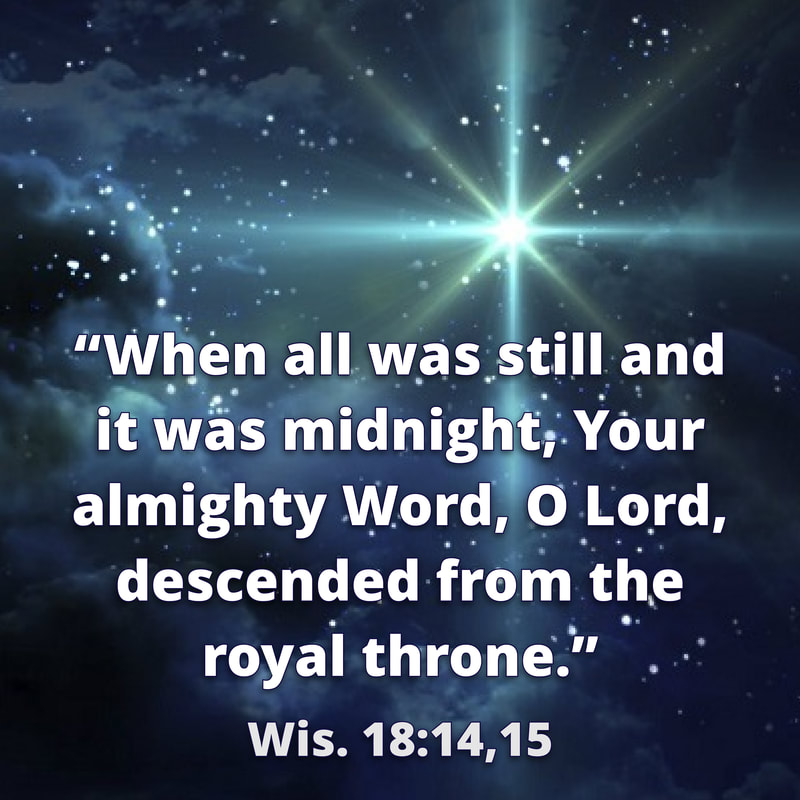
On Christmas Eve we chanted these words from Wisdom of Solomon, “When all was still and it was midnight, Your almighty Word, O Lord, descended from the royal throne.”In the darkest hour of man’s night of sin, when there seemed to be no help on the horizon, no hope for salvation, that was when God acted. That is when God acts. Once again He spoke His creative Word into the darkness saying, “Let there be Light”,and His creative Word accomplished that purpose for which it was sent: The Word became flesh and made His dwelling amongst us.Once again there was Light, and His Life was the Light of men. The Light shines in the darkness, and the darkness has not, and cannot, overcome it.
Wise men from the East, Gentiles, caught a glimpse of that Light. They had only an inkling of what it might be, for they too, with all the world, dwelt in the midst of deep darkness. But they were looking for a light. They were searching the stars, reading the stories and searching the prophecies of wise men in other lands. They were searching for God in all the wrong places; they were searching for God in too many faces. Yet, still, they were searching; they were looking outside of themselves for help, for hope, and for Light. God permitted them to observe the star, yet it was not the star that lead them to Jerusalem, but it was His Word which they had heard and read and searched as they groped around in the darkness. They had heard of a prophecy of a great King, and they came to worship Him, indicating that they expected this king to be more than an earthly ruler.
The wise men were most likely astronomers, perhaps even astrologers, who searched and read the stars of the heavens looking for guidance and direction in their lives. This may not be as bad as it sounds, for the stars were put in their place by our God and Creator, and they do indeed provide guidance and direction, marking north, south, east, and west; and, the movement of the constellations across the heavens mark the changing of the seasons. However, astronomy can become astrology, and that is idolatry, in the same manner as anything else, when the creature is feared, loved, and trusted before and above the Creator. The wise men were most likely guilty of this, as are we all.
Yet, the wise men stand in unique contrast to both Herod and the chief priests and scribes of the people of Israel. Herod and the priests and the scribes did not search the heavens and look to the light of the stars for guidance and direction, but, moreover, though they were the keepers and the interpreters of God’s Word, neither did they look to it for light, guidance, and direction. Thus, when the wise men arrived in Jerusalem, at the palace of King Herod – for, where else would you find a king, but in a palace in a royal city, they thought – Herod remembered that there was a prophecy in God’s Word about such a king, and he quickly inquired with the keepers and the interpreters of the Word where this child king was to be born. And, the priests and the scribes knew right where to look, the Prophet Micah, where it says “And you, O Bethlehem, in the land of Judah, are by no means least among the rulers of Judah; for from you shall come a ruler who will shepherd my people Israel.”They knew right where to look, and yet, they weren’t looking! And, when Herod finally took an interest and sought to find the child, it wasn’t out of fear, love, and trust in God or in His Word, but it was out of fear, and hate, and jealousy for his throne and for the one he believed was prophesied to take it from him. Herod didn’t want to come and worship the newborn King, he wanted to come and murder Him!
Here we have an example of two kinds of people, both walking in the same darkness, but for different reasons, and with different results. The wise men from the east knew they were in darkness and they were searching for light, even if they didn’t fully know or understand what that light was or would be. In contrast, Herod, the scribes, and the Pharisees were actually the keepers and interpreters of the source of all light, God’s Word, but they loved the darkness more than the light. They refused to be guided and directed by the light of God’s Word and they chose to live their lives and to conduct their deeds under the cover of darkness because their deeds were evil. When the wise men heard the Word, they made haste to Bethlehem to find the Christ child to worship Him. But, when Herod heard the Word, he was troubled and his heart was hardened. Herod burned with anger and jealousy, with fear and hate for this newborn King of prophecy, and for the Word of God which proclaimed Him.
The Light of God’s creative and life-giving Word entered into the world in the Incarnation of the Son of God, Jesus the Christ – and that has changed everything! Darkness has been penetrated and overcome by the Light of Christ, as it was first in the creation, and it shall never obscure, overcome, or prevail against the Light ever again. Wherever the Light of God’s Word, the Light of Christ, shines, there simply is no darkness. And yet, people still walk in darkness, in ignorance and unbelief. People still choose to dwell in darkness because their deeds are evil. But, not you, O Jerusalem, city on a hill. You are filled with, and you shine with, the Light of God’s Christ. You are not the Light, but His Light fills you like a lamp and shines out of you into the darkness of this world, and upon those who dwell in it, so that not only is your path illumined before you, but others may walk in safety through the valley of the shadow of death.
This is what the Prophet Isaiah declares when he says, “Arise, shine, for your light has come, and the glory of the LORD has risen upon you.”On your own, you have no light, but you dwell in deep darkness. But, when the Light of the LORD shines upon you and fills you, you shine with His Light, the Light of the world for all to see. This is what your Lord Jesus means when He says, "No one after lighting a lamp puts it in a cellar or under a basket, but on a stand, so that those who enter may see the light.”Likewise, Jesus teaches, “Your eye is the lamp of your body. When your eye is healthy, your whole body is full of light, but when it is bad, your body is full of darkness.”You see, the eye is a receptive organ; it receives and responds to the stimulus of light. If there is no light, the eye receives and sees nothing. But, when there is light, the eye will receive it, unless it is not clear, or unless the eye is willfully closed. “Therefore,”Jesus warns you, “be careful lest the light in you be darkness. If then your whole body is full of light, having no part dark, it will be wholly bright, as when a lamp with its rays gives you light.”
My dear Christians, whether you were once searching for light in the darkness, or you were all too comfortable dwelling in darkness and were afraid of the light, the Word of God is spoken into you, “Arise, shine, for your Light has come, and the glory of the LORD has risen upon you.”“At one time you were darkness, but now you are light in the Lord,”writes St. Paul, “Walk, therefore, as children of Light.”
The wise men followed the light of the star, and the light of God’s Word, and they were led to the Christ child. There they worshipped Him and presented their gifts of gold, frankincense, and myrrh, gifts fit for a king. For, Jesus is a King, but He is not like the kings of men. He reigns in selfless, sacrificial service, in humility and love. He rules, not with power taken from men, but with authority given by God, in righteousness, justice, and peace. The wise men had to be surprised at what they found, an infant child, helpless and humble, weak and vulnerable, and yet they believed the Word that they had heard, that this child was the King of the Jews. Even so, the light of the Word of God has guided and directed you, not to the mountains of natural glory, not to the thrones of human power, but to the altar of sacrifice where your King Jesus is present for you in the humble and lowly forms of bread and wine, that you may present yourself before Him as a living sacrifice and receive His Light and eat His flesh and drink His blood, the flesh and blood of the only Son of the Father, begotten before the foundation of the world, the Word and Light of creation, made flesh and dwelling amongst you, Jesus Christ. In Him is life, and the life is the Light of men, that you may shine with His Light, illumining the way to Truth and Life.
While our resurrected and ascended Lord Jesus Christ now fills all things in heaven and earth, even the glorious mountains and the vast and deep oceans, even the expanse of the heavens with its billions upon billions of galaxies, stars, and planets, He is not in those places and things for your life, light, and salvation, but He is where He has promised to be, in His Word made flesh which He has attached to and fills the humble, the lowly, and the ordinary things of His creation – Bread, wine, water, and the words of a book read, spoken, and proclaimed to you – to bring to light for everyone what is the plan of the mystery hidden for ages in God who created all things.
Dear Christians, let us also follow the Light of God’s Word to the place where it rests upon the altar of sacrifice in the House of Lord, where His Mother, the Church, gathers with angels and archangels and with all the company of heavenaround the throne of King Jesus, the Light of the world, God in flesh made manifest. Let us worship and bow down with all the children of the Light in praise and adoration, receiving His light, His love and forgiveness, and go out illumining the world and those walking in darkness and the shadow of death that they might walk in darkness no longer, but seek, find, and receive the Light of Christ and live, and thereby glorify the Father, the Son, and the Holy Spirit forevermore.
In the + Name of Jesus. Amen.
Monday, December 31, 2018

The Feast of the Circumcision and Name of Jesus (New Year's Eve / New Year's Day)


Luke 2:21; Galatians 3:23-29; Numbers 6:22-27

In the Name of the Father and of the + Son and of the Holy Spirit.
Your God always works through means. That is to say that, the God who made all the stuff that there is, who still sustains all that stuff, always works through the stuff of His making for your good. He attached His creative Word to the fruits of two trees in the Garden, to Aaron’s staff and Moses’ serpent of bronze. He attached His creative Word to the Passover, the tabernacle and the altar of burnt offering, the Ark of the Covenant, and to the Holy of Holies in the temple. And, he attached His creative Word to circumcision, that it might be attached to Holy Baptism and to the Supper of His Son’s body and blood.
God attached His creative Word to circumcision saying, “I will establish my covenant between me and you and your offspring after you throughout their generations for an everlasting covenant, to be God to you and to your offspring after you.”There is something unique, particular, and personal about circumcision. In other Old Testament sacraments, God attached His Word to external, inanimate objects, to stuff. In circumcision, however, God attached His creative Word of promise to man’s flesh, literally. In circumcision, God’s benediction was not spoken over you by a priest, but into your own flesh. In circumcision, there was no ambiguity in God’s Word “this covenant is for you”– it was crystal clear who the “you”was, for you carried it in your own flesh. Though it was possible to be circumcised and be an unbeliever, it was impossible to be a believer and still reject circumcision and the promises God attached to it.
Nevertheless, circumcision did not remove sin, original or actual, but it was God’s promise that He would look upon you in grace and mercy and not in wrath against your sin. Circumcision was God’s work, in your flesh. The sign was irrevocable, for God would not go back on His promise, but faith in that promise was a necessity which men had the freedom to reject. Though only males were circumcised and bore the sacramental sign of God’s covenant, the promise was for all of the offspring that man would bear. This was not some sort of patriarchal prejudice, but it got directly at the root of man’s problem, sin. As we are conceived and born in sin, God’s covenant promise was attached to the very source and beginning of human life. No one was, is, or ever will be conceived and born without a human father – that is, except one, Jesus.
Yet, circumcision was but a sacramental sign pointing ahead to a future fulfillment. That fulfillment came in the circumcision of Jesus, eight days after His birth in Bethlehem. Jesus had no human father and, therefore, He bore not the corruption of original sin. Nevertheless, He submitted Himself to circumcision in His innocent flesh that His heavenly Father’s covenant promise might be given to His offspring by faith. Therefore, in the circumcision of Jesus, all people are circumcised once and for all, because He represents all humanity, as St. Paul writes to the Colossians, “In [Jesus Christ] also you were circumcised with a circumcision made without hands, by putting off the body of the flesh, by the circumcision of Christ.
Because of Jesus’ circumcision in the flesh, you are God’s child today, not by the shedding of your blood, but by faith in God’s creative Word of promise made flesh, Jesus Christ, who submitted to circumcision in your stead and became obedient under the Law and fulfilled it, dying in your place and rising from death to give new and eternal life to all who are born again with Him by baptism and faith. St. Paul writes, “Do you not know that all of us who have been baptized into Christ Jesus were baptized into His death?  We were buried therefore with Him by baptism into death, in order that, just as Christ was raised from the dead by the glory of the Father, we too might walk in newness of life.”
That new life began on the eighth day, the day of our Lord’s resurrection, reinforcing the connection between circumcision on the eighth day and Holy Baptism. In the Church, the number eight is symbolic of the fulfillment of God’s work of re-creating His sin-broken and fallen world and humanity. The new life begun in Jesus’ resurrection on the eighth day will never end. The eighth day is literally the day upon which the sun will never set. That is the day and the new life into which you are baptized. Therefore, to be baptized is literally to be born again, to a new life that will never die. That is why baptismal fonts, like this one, as well as pulpits and lecterns and other church furnishings are often eight-sided – they are symbolic reminders of God’s covenant and promise kept and fulfilled in Jesus Christ.
As the world celebrates the beginning of a new year this evening and remembers the passing of the old, so the Church celebrates the new life and the new Name that She has been given in the innocent shed blood of Jesus Christ. In Holy Baptism and faith you are sealed in God’s Benediction, “The LORD bless you and keep you; the LORD make His face to shine upon you and be gracious to you: the LORD lift up His countenance upon you and give you peace.”His Name is not only proclaimed to you, but it is placed upon you, marking you as His offspring, His child, His heir, with and in Jesus Christ His Son, with whom He is well pleased.
In the + Name of Jesus. Amen.

Sunday, December 30, 2018

The First Sunday after Christmas (Christmas 1)


Luke 2:22-40; Galatians 4:1-7; Isaiah 11:1-5

In the Name of the Father and of the + Son and of the Holy Spirit.
This morning's Gospel really belongs on February 2nd, 40 days after Christmas, because it describes what happened that day Mary and Joseph brought Jesus to the temple when he was 40 days old. The Old Testament Law pronounced the mother unclean for 40 days after giving birth to a boy (60 days for a girl), teaching that we are all born sinful and unclean, that every birth is the birth of a sinner under God's wrath, and that rescue from sin and wrath would come ultimately through a first-born male child belonging to God. The Law also required that the first-born belonged to the Lord and had to be redeemed by a blood sacrifice, usually a lamb or a goat, though if the parents were poor, two pigeons would suffice. This pointed to the sacrifice that God would ultimately make to redeem us by sending His only-begotten Son to redeem us with His innocent blood. Every point of the Law Jesus kept perfectly for us, down to the purification of His mother, though, of course, she needed no purification for bearing the sinless Son of God, and His own redemption at the price of two pigeons, though He came as God's sacrificial Lamb to redeem the world. But we will save that for February 2nd, at the Presentation of our Lord, when you will hear this Gospel again.
Today, on this sixth day of the twelve days of Christmas, our focus will be on the two senior saints in this passage - Simeon and Anna. Sadly, our youth-oriented culture tends to despise the old and frail. We tend to value energy and excitement over wisdom and experience. We are impoverished for it. There is much to be learned from the wisdom of their experience. You can learn more about marriage by talking to two people who have been married for 50 or 60 years than you can from any book pulled from the shelf. In fact many congregations pair up their newlyweds with a senior couple in the congregation as kind of marriage sponsors. You can learn a great deal about life from those who have lived many years. You can learn much about prayer from those who have prayed a long time. You can learn about patience from those who wait.
Seniors do a great deal of waiting. They wait for buses and taxis and rides. They spend a lot of time in waiting rooms, in which about the only thing you can do is wait. They wait for the mail to come, for family to call, for friends to drop by. Sometimes they wait in vain for people who don't show up, or who get sidetracked by other more urgent matters. If they are sick, they wait for the doctors to diagnose, and the medicines to medicate. Sometimes that wait can be long. The body heals more slowly when you are old. Sometimes things don't heal completely. Some wait to die. Often times our senior saints find that they have outlived their entire families. When one such saint became sick and was completely confined to a hospital bed, she said that she was tired and she wanted to die. She was getting tired of waiting. Another senior saint, who is now with the Lord, once said that the toughest part of the waiting is all the funerals you have to go to.
"I wait for the LORD, my soul waits, and in his word I hope," the psalmist prays. Senior saints can teach us a few things about praying that psalm, about waiting on the Lord and trusting in His Word. Simeon and Anna are two people who waited long years on the Lord, whose hope was in His Word. Jesus said, "I am the resurrection and the life. He who believes in me will live even though he dies. And whoever lives and believes in me will never die." Simeon and Anna lived under that promise. If we take the time to listen to them we can learn a few things about it means to live in the shadow of death, and to die in the light of life.
St. Luke describes old Simeon as a "righteous and devout" man, meaning that he trusted in God's promise of salvation and lived in that trust. Simeon was a man whose life was governed by the Spirit of God. The Holy Spirit was upon him. He had been told by the Spirit that he would not die until he had seen the Messiah, the Lord's Christ. That was a heavy honor. Imagine what it would be like knowing that you would not die until you saw God's Promise of salvation fulfilled before your own eyes, but not knowing when that would be. 
Year after year went by in the temple, marked by the holy days of the temple liturgy - Yom Kippur, Passover, Pentecost, the Day of Tabernacles. Every day, the morning and evening sacrifices and prayer. Every day Simeon waited and watched. Would today be the day? The evening sacrifice; the morning sacrifice. Another day, nothing. Perhaps tomorrow He will come. More waiting. We don't know how many years Simeon waited, but he must have been quite old. You can hear the relief come from deep within his bones when he sighs, "Now let your servant depart in peace."
Imagine the excitement of old Simeon that day when Mary and Joseph came to the temple with their precious bundle, the newborn Messiah wrapped in a blanket, just 40 days old, and the Holy Spirit brought him to the temple at just the right time so that their paths would cross. Oh, it must have been a marvelous moment when Simeon took that precious bundle in his arms (you grandparents know a little bit of what that's like when you first hold a new grandchild) and hoisted the baby high in the air and sang out his glorious song that echoed all throughout the temple: “Lord, now let your servant depart in peace, according to your word.For mine eyes have seen your salvation, which you have prepared in the presence of all peoples.A Light to lighten the Gentiles,And the Glory of your people Israel.”
It is a joyful song, not a sigh of resignation. Simeon is confident, bold, very much alive. It is Simeon's "deliver us from evil," that the Lord would at last take him from this valley of sorrow to Himself in heaven. Simeon speaks to God the way a servant speaks to his master who has promised him freedom. "Master," he says, "release your servant now in peace, just like you said you would." He holds God to his promise, trusting that this tiny, poor baby will be His Savior. He trusts God's Word. He lives in the "now" of Christ. He doesn't need anything more than this baby to say, "my eyes have seen your salvation."
What did Simeon's eyes see? Nothing more than the shepherds saw in the manger the night of the birth. Or what the wise men would see a bit later. Simeon saw a baby boy who looked just like any other baby boy. No halos hovering over his head. No chorus of angels singing at his side. All Simeon could see was a squirming infant wrapped in a blanket and his poor parents who had come to do what the Law required of them. But the Spirit of God said, "This One is different. He's the One you've been waiting for." Simeon trusted God's Word. With the tiny baby cradled in his arms, he knew that he could depart in peace. He could die without fear. He had seen God's salvation in the face of this poor and humble Child, and now he could depart in peace. God had kept His promise.
Such high and glorious names Simeon gives this poor infant! He calls Him God's Salvation, the Light of the Gentiles, the Glory of Israel. "Behold, God is my salvation; I will trust, and will not be afraid; for the LORD GOD is my strength and my song, and he has become my salvation." “The people who walked in darkness have seen a great light; those who dwelt in a land of deep darkness, on them has light shined.” “I bring near my deliverance, it is not far off, and my salvation will not tarry; I will put salvation in Zion, for Israel my glory."
Cradled in Simeon's arms is God's salvation, God's devil-crushing victory over sin and death. We are weak, but this Child is our strength. We are filled with darkness, but He is our Light. We are sinful, but He is the sinless One who became sin for us so that in Him we might become God's righteousness. He is Light shining into our darkness, opening the eyes of the blind, opening our eyes to God's love and His desire to save. He is the Glory of Israel, the reason God had an Israel, a chosen people, so that His beloved and chosen Son would be born into the world to suffer and die, to rise and reign.
Simeon must have sounded like an old man gone stark raving mad, calling this tiny baby the Salvation of God and the Glory of Israel. Even Mary and Joseph were amazed at his words. Who would have guessed that such infinitely wonderful things could be said about such a tiny baby? Our saviors are big and strong. Our lights are bright. Our glory is glitter and gold. This Child appears so small and helpless and poor. The enemies around us loom so large - the cancers, the viruses, the violence, the evil, the guilt, the death. It is David and his slingshot versus Goliath and his sword. How can a little Child be strong enough?
Old Simeon is our preacher this morning. "Don't believe your eyes. Trust God's Word. Look to this Child that Mary wrapped in a blanket and brought to the temple. Receive this Child in the empty arms of faith. Hold him as your own, for He has come to be your Light and your Salvation. He is the Glory of God's Israel come down to you. It doesn't matter who you are or what you've done, whether you are good or bad, rich or poor, young or old, married or single. This Child has come to save you, so that you too can depart in peace." 
The Church traditionally sings Simeon's song on two different occasions. We call it the Nunc dimittis, from its first two words in Latin, "Now depart." It is the traditional hymn of Compline, the prayer at the close of the day. Just before we go to sleep at night, we are to pray, "Lord, now let your servant depart in peace." Sleep is a picture of death just as rising in the morning is a picture of the resurrection. If I die before I wake, I know that God's only begotten Child will care for me. "The Lord is my light and my salvation. Whom shall I fear? The Lord is the stronghold of my life. Of whom shall I be afraid?"
Later in history, Simeon's song came into the liturgy of the Lord's Supper. What a perfect place to sing St. Simeon's song of deliverance. We have heard the Word of Christ. "My body given for you; my blood shed for you." He is more present for you here in the Supper than when His little body was cradled in Simeon's arms. Then we sing, "Lord, now let your servant depart in peace, according to your Word." To repeat a clever phrase I heard from a wise Pastor: "We go to the Sacrament as though going to our death, so that we might go to our death as though going to the Sacrament."
Simeon knew the cost. Even at 40 days, the cross casts its shadow over the Child. He was set for the falling and rising of many. Many would stumble over Him in unbelief and fall to their condemnation. Some would look to Him in faith and rise to eternal life. He would be a sign spoken against, despised and rejected, a curse on men's lips. The sword that would pierce His side would also pierce the soul of his mother, as she stood by and watched her Son give His life for the world. Those who bear Christ are not immune to suffering and sorrow in this life. Not Mary, his mother. Not the Church. Not you and me. The cross marks the life of this Child, and it marks all who follow Him. But if we learn one thing from St. Simeon, it is this: Where Christ looks most helpless and weak, there He is most Savior, most Light, most Glory, most Son of God for us - in the manger, in the arms of Simeon, on the cross, in the Sacrament.
There was also a woman named Anna in the temple. She had been married for seven years, and had likely been widowed at the age of 24 or 25. Though she certainly would have been free to marry again and raise a family, Anna instead devoted herself to prayer and fasting, watching and waiting for the coming redemption of Israel. Luke tells us that she was from the tribe of Asher. Asher had been among the wealthiest of the tribes of Israel. Yet Asher's religious history reflected the spiritual sleepiness and indifference that often comes with the life of prosperity. No prophet or judge had come from the tribe of Asher. But now in these last days is St. Anna, a prophetess, a woman who spoke the Word of God with prophetic power. Even the numbers of her life were a prophetic witness to God's grace: She'd been married for a perfect seven years. Now she was 84 years old, seven times twelve. In the seventh twelfth, or the twelfth seven, of her life, she was given to see the Salvation of God, the Glory of Israel.
Her life was now complete. Everything she had hoped for, everything for which she had prayed and fasted and waited was found in this little Child born of Mary. She gave thanks to God and spoke about Him to all who were looking for the redemption of Jerusalem. She bore witness to Jesus, directing everyone who was looking for the redemption of Jerusalem to Him. There He is! The One in Simeon's arms! He is the One we've all been waiting for. Anna is a picture of the Church - receiving Christ, thanking God, witnessing in the world.
Simeon and Anna. Mary and Joseph. And there in the middle of it all, a tiny 40 day old baby. It is a little congregation. Everyone is represented. The young and the old, the married and the single, the widowed - people who would otherwise have nothing in common are gathered by the Spirit of God around Jesus hidden in humility. People, the likes of you and me, who live in the shadow of death, can, by the grace of this Child in Simeon's arms, die in the light of life. And we too can sing with saints Anna and St. Simeon: Lord, now let your servant depart in peace, according to your Word.
In the + Name of Jesus. Amen.
Tuesday, December 25, 2018

The Feast of the Nativity of Our Lord (Christmas Day)


John 1:1-18; Titus 3:4-7; Exodus 40:17-21, 34-38

In the Name of the Father and of the + Son and of the Holy Spirit.
“The Word became flesh and made His dwelling among us.” There it is. That is the basis of your redemption. Without the incarnation of the Word of God, there could be no salvation for you. Because of your sin, and because of your parents’, and their parents’, and your First Parents’ sin – which is all your sin – you fell from God’s grace. No, that’s putting it too lightly. Rather, you rebelled against God’s grace. You threw it off of you like a damp blanket. You left yourself naked in your sin and rebellion before God’s holy and righteous face, and you couldn’t hide, though you tried. But He could see right through your feeble façade. God was right, and you were wrong. And, because you were wrong, there was no way possible for you to make yourself right with Him once again. God must be reconciled, and you couldn’t do anything to make that happen. Therefore, He did what was necessary to reconcile you to Himself. “The Word became flesh and made His dwelling among us.” The incarnation was the basis of your redemption, but its fulfillment was yet to come.
“The Word became flesh and made His dwelling among us.” That wasn’t the first time, though it was the final, the last, and the eternal time. For, the LORD had always dwelt among His people in various ways. Of course, in the Garden, before the Fall of our First Parents, God dwelt with them, walking and talking with them, in the cool of the eveing. But, after the Fall, man could no longer abide in God’s holy presence, lest he be destroyed in the face of His holiness and righteousness. Therefore, it was in mercy that the LORD banished the man and the woman from the Garden that they might not eat again from the Tree of Life and live in eternal separation from God and His presence. However, before He sent them packing, the LORD sacrificed an innocent beast and shed its innocent blood that He might clothe Adam and Eve’s nakedness and cover their sin until time was full and He would send His only-begotten Son into the flesh to be the sacrificial Lamb of God’s offering that would take away the sin of the world.
The shedding of innocent blood and the covering with skin, with flesh, is a key Old Testament type of the Incarnation of the Son of God, the Word made flesh and dwelling among us. The innocent blood and the fleshly covering are typological symbols of what would be necessary to reconcile God in His relationship with humanity. Innocent blood, blood that is not corrupted and tainted with the stain of sin, must be shed and must cover, atone for, and wash away the sin of men. Innocent flesh, holy and righteous flesh, must cover sinful men, and incorporate them into the New Man, the Second Adam, the Son of God, Jesus Christ, with whom the LORD God is fully pleased.
And so, God instructed Moses to erect a tabernacle made of wooden poles and animal skins, a tent of fleshy skins in which God would dwell among His people. Within the tabernacle, Moses placed the Ark of the Covenant containing the testimony of the LORD, the Ten Commandments, Aaron’s budding staff, and a pot of manna. The Ark was covered with the Mercy Seat, flanked by fiery Seraphim, upon which the atoning blood was sprinkled. In this way, the Glory of God dwelt among His people.
Within the tabernacle, the Priests performed animal and grain sacrifices before the LORD on behalf of the people. And, while it is true that these sacrifices never took away or forgave sin, they did indeed permit God to overlook the peoples’ sins for a time, for He had attached His Word of promise to them that He would overlook their sins and spare them. Centuries later, the tabernacle was replaced by Solomon’s temple and, later still, Herod’s temple. The LORD would be present among His people in the temple just as He was in the tabernacle, and the sacrifices would continue just as before. However, neither the tabernacle, nor the temple, nor the sacrifices were an end in themselves, but they were shadows and types of a fulfillment yet to come – the Temple made without human hands, and the sacrificial Lamb of God that would take away the sins of the world.
“The Word became flesh and made His dwelling among us.” The phrase “made His dwelling” is only one word in the original Greek, eskēnōsen. It is the exact same word that is used in the Greek translation of the Old Testament for the tabernacle. Literally, it means “pitched a tent.” Therefore, we could read John 1:14 this way, “The Word became flesh and pitched His tentamong us.” The word implies an intimate dwelling together with man, a living together in a domestic sort of way, making a home together and having a family together. Yes, that is what is connoted in the words “The Word became flesh and made His dwelling among us.”
In the Incarnation of the Son of God, the Word of God made flesh, God has incorporated humanity into Himself. As the ancient Church has put it, “God became man that man might become God.” We are not God in and of ourselves, but we have been incorporated into God through Holy Baptism and faith in the Word made flesh Jesus Christ. Undoubtedly the very best symbol the LORD has given us to understand the kind of God He is and the kind of relationship He desires to have with us is marriage. “It is not good that the man should be alone.” When the LORD made Adam, He had no intention of leaving him alone. Eve, His wife, was not an afterthought, but was God’s divine plan from the beginning. The LORD joined Adam and Eve in marriage – the LORD’s creation, not man’s, or the state’s, or the court’s. “Therefore a man shall leave his father and his mother and hold fast to his wife, and they shall become one flesh.”
No, Eve was not an afterthought, and neither was marriage and family an afterthought. Indeed, one cannot fully understand the meaning of the Incarnation apart from these symbols, these types, and foreshadowing the LORD has provided. For, from the beginning, God’s plan was to receive you into Himself. Now, many have speculated, even Martin Luther, how the LORD would have accomplished this if our First Parent’s had not plunged humanity and the world into sin and death. While it is speculation, Luther believed that the LORD still would have found a way for humanity to become one flesh with God. Perhaps, Luther thought, they might have fallen asleep, as in a bed of roses, and awoken to a new and fuller life? Regardless, the point is this: Your God and LORD desires to dwell with you, to make His home with you, to marry you, and, yes, to have a family with you! That is why the predominant theme throughout the Holy Scriptures depicting your relationship with God is marriage.
The incarnation of the Son of God, the Word of God made flesh, is the beginning of the redemption of your flesh, even as the death and resurrection of Jesus is the redemption of both your body and soul. God has redeemed the Bride by sending His Son, the Bridegroom, into your flesh to suffer and die and be raised to new life with the promise that your flesh and blood bodies will be raised to unending life as well. However, you have already begun to live that new life, life that will never die. Yes, your bodies are still under the curse and will surely die – you feel that and know that each and every day of your life as you grow older and weaker. However, your bodies will be raised new and holy and will be wed with your new spirit born of water and the Word in Holy Baptism. Therefore, the incarnation of the Son of God has meaning for you now.
And so it is that Christmas is every bit as much about your redemption and salvation as is Easter. “The Word became flesh and made His dwelling among us,” and that has changed everything, already, now! In the Incarnation of the Son of God, the Word made flesh, God has begun to remake you in His image once again, the image and likeness of His Son Jesus Christ. Though this work will not be complete in you until the resurrection of your body, you are already changed, and you will continue to be changed until then. Once you were in darkness, but now you are Light in the Lord. Therefore, put away the works of darkness and walk as children of the Light. Emmanuel, God with us, is with you, always. He has pitched a tent in your midst that He might make a family with you and bear within you the fruit of the family, love: Love for God, and love for your fellow man.
In the + Name of Jesus. Amen.

Monday, December 24, 2018

The Feast of the Nativity of Our Lord (Christmas Eve)

“When all was still, and it was midnight, Your Almighty Word, O LORD, descended from the royal throne.” Christians have chanted these words from the Apocryphal book of Wisdom on Christmas Eve or at Epiphany since at least the seventh century. Thus, when we sang them this evening, we joined our voices, our thoughts, and our prayers with the multitude of believers before us, with centuries and millennia of saints in Christ, in unified confession of the beautiful and the awe-inspiring truth that, while we were still sinners, God acted, Christ was born, and Christ died for us that we may live in and through Him.
Stillness and silence are extremely difficult to come by these days, are they not? The shopping, the wrapping, the decorating, the baking, the cleaning, the laundry, the cooking, the family, the friends, the fights, the disappointment, the hurt feelings, the loneliness, the sadness, the despair – you’ve been caught up in this since, when, Black Friday? Halloween? Before that? Maybe you never recovered from last year?
Be still. Be still this silent and holy night. Be still and know the Lord your God. His gift to you this night is stillness, silence, peace, and rest. Rest from all your striving to appease Him. Rest from all your fretting and anxiety over what to wear and what to eat. Rest from all your fear of your enemies, from fear of your friends, from fear of tonight, and from fear of tomorrow. Only after He had prepared all things for you in the beginning did He create you in His image and set you in His creation as its Lord. Only after He had done all things necessary, and it was very good, did God take rest from His labors. Your Lord God and Creator took rest from His labors that you might take your rest in Him. He declared that day the Sabbath, a day of rest.
“Come to me, all who labor and are heavy laden, and I will give you rest.” This is God’s Word to you this night. This is God’s Word made flesh for you in Jesus Christ. Jesus is the Sabbath rest of God in whom He invites you take rest from your striving, from your anxiety, worry, and fear. Our First Parents rebelled against the LORD’s Sabbath by refusing to take rest in it. Instead, they strove to take for themselves what was not given, they were anxious and unsettled about what they thought was withheld, about what they thought they might be missing out on, about what could’ve been, should’ve been, or would’ve been. They did not fear, love, and trust in God and His Word above all things, but they feared they were being short-changed, they loved the wisdom and knowledge the adversary deceitfully promised them, and they trusted in his word, and in their wisdom, rather than the LORD and His Word. Thereafter, their lives were fraught with busyness and restlessness, with striving and toil, with fear and anxiety, so that, even while they were idle, they could find no rest, no peace. And, is not the same true for you as well, O Sons of Adam, O Daughters of Eve?
Your restlessness, striving, anxiety, and fear are primordial. And yet, they are needless, foolish, and senseless, for it is finished, declares the Lord. What is finished? All that was necessary for you to have rest and peace once again. Do you strive for basic necessities – for food, and clothing, and shelter? Jesus’ body and blood are your true food and drink. Jesus’ righteousness is your true clothing. And, Jesus’ body, the Church, is your true shelter, the very temple of the Holy Spirit. Are you anxious and worried about tonight and about tomorrow? Your LORD invites you to be still, to be silent. Then you may take account, not of the things you want, or the things you think that you need that you do not have, but of the blessings that you do have, most of which you wrongly take for granted and consider the fruit of your own labors. For, Sabbath rest is about viewing the world and your life in it differently, as a gift from God. The Sabbath rest of God is a release from enslavement to the desires and pleasures of your flesh and to the pursuit of material goods and worldly values that have no life and are passing away. Or, are you anxious and fearful of wars and rumors of war, of terrorism, both international and domestic? “Do not fear those who kill the body but cannot kill the soul. Rather fear Him who can destroy both soul and body in hell.” And, do not be a fool; that one is not the devil, but it is your God, your heavenly Father and Creator of both your body and your soul. “Behold, He who keeps Israel neither slumbers nor sleeps.”
Be still. Be silent. God does His mightiest works when you are doing nothing at all. In the beginning, God created the heavens and the earth ex nihilo, that is, out of nothing. He spoke His creative and life-giving Word into the nothing, and it was so. And, God sustains His creation by His ongoing breath, Word, and will. When He withdraws it, that will be the end, and all of creation will be undone, as it was first done in the beginning. Similarly, God began His re-creative work, not in a virgin universe, but in a virgin womb. Once again He spoke His creative and life-giving Word, and the Word became flesh and made His dwelling here in time, under the Law, among us. How did Mary receive this Word from God? She was still. She was silent. “Lord, may it be to me as You have said, according to Your Word.” On the cross, God’s Word made flesh spoke the final Word that need ever be spoken, “It is finished,” and then came the Sabbath. Once again, God rested from His labors in re-creating humanity in His image, and the world. The LORD has made His Son Jesus to be your Sabbath rest. Be still. Be silent. And, know that the LORD is God.
It is your sinful, fallen, corrupt human nature that will not rest, but it insists on busying itself, striving, worrying, and fretting. Anxiety, worry, and fear are the worship you give to a false god that cannot save. Addicts know this all too well. Whether it be alcohol or drugs or food or sex or whatever, when they hit bottom, when they finally can see and think clearly, they universally confess, “Let go, and let God.” Just stop. Be still. Be silent. “The devil will find work for idle hands to do?” Perhaps, but to take Sabbath rest is not the same as doing nothing at all. On the contrary, you are not alone in your Sabbath rest, but your rest is in Jesus, who is the Sabbath of the LORD. Be still. Be silent. Stop doing. But, take your rest in Christ, who has done all things well for you.
We are gathered here this silent and holy night, to remember, to give thanks for, and to celebrate God’s gift of rest for us in the incarnation and birth of His Son, our Lord and Savior Jesus Christ. Jesus is God’s Sabbath rest and peace incarnate, in human flesh and blood, as our brother, as our Bridegroom, as our Redeemer, our Savior, our Lord, and our God.
Jesus is your comfort and your peace. He is God’s pledge that your warfare with Him is ended, that He has given you double in grace for your sins in His Word made flesh, Jesus Christ. Therefore, you may rest from your labors, you may rest from your striving to earn His favor or to work off your debt to Him. It is forgiven. It is finished. And, there is no need for worry and anxiety, for restlessness and fear, for the LORD your God is the Creator, Redeemer, Re-Creator, and Sustainer of your life, the universe, and everything in it. Not a hair can fall, not a breath can be taken, not a life can be given or taken apart from His will. Therefore, do not give yourself over to the idols and to the false gods of worry, anxiety, and fear. “For to us a child is born, to us a Son is given; and the government shall be upon His shoulder, and His Name shall be called Wonderful Counselor, Mighty God, Everlasting Father, Prince of Peace. Of the increase of His government and of peace there will be no end, on the throne of David and over His kingdom, to establish it and to uphold it with justice and with righteousness from this time forth and forever.”
Soon it will be midnight, literally the middle of the night. God has already acted. God is acting still, for you – always for you. “For the grace of God has appeared, bringing salvation for all people, training us to renounce ungodliness and worldly passions, and to live self-controlled, upright, and godly lives in the present age, waiting for our blessed hope, the appearing of the glory of our great God and Savior Jesus Christ, who gave Himself for us to redeem us from all lawlessness and to purify for Himself a people for His own possession who are zealous for good works.” Tonight Bethlehem, the “House of Bread,” has come to Waverly, Iowa. Be still. Be silent. Stop. God’s Almighty Word incarnate descends to you here at this altar. Only, He does not leave heaven behind this time, but He brings heaven with Him to you, with its angels and archangels, and with all its company. “Veiled in flesh, the Godhead see. Hail the incarnate Deity. Pleased as man with man to dwell, Jesus, our Emmanuel.” Let us enter His Rest together and live in His Peace. Blessed Christmas.
In the + Name of Jesus. Amen.