Sunday, March 10, 2019

Invocabit - The First Sunday in Lent (Lent 1)


Matthew 4:1-11; 1 Corinthians 6:1-10; Genesis 3:1-21

In the Name of the Father and of the + Son and of the Holy Spirit.
On this first Sunday in Lent, let us together repent of a particular error of Scriptural interpretation that we have all made, that we have all believed, that we have all trusted in, and that we have all taught to others at one time or another: Our Lord Jesus did NOT face the devil’s temptations in the wilderness in order to teach us how to resist the devil by quoting Bible verses at him. If that were the purpose of today’s Gospel then we would be the saddest lot and the most to be pitied of men, for we would remain in our sins and the devil would be victorious. But that is NOT why our Lord Jesus faced the devil’s temptations in the wilderness. Our Lord Jesus faced the devil’s temptations in the wilderness for us, in our place. He stood in for you, and for me, for all men, as the Second Adam, to undo the sinful failings of the First Adam. It was the Garden of Eden all over again, only, this time, it wasn’t a garden full of foliage and fruit, – paradise – but it was a barren wilderness and our Lord was hungry and thirsty from having fasted forty days since the Holy Spirit lead Him, no, threw Him to the wolf, to redeem all you sons and daughters of Adam from death and separation from God, the fruit and wage of your sinful rebellion and unbelief.
To take the emphasis off of Christ is to make this Gospel a mere moralism and Law, a Law that you cannot keep and that cannot save you. Jesus alone is your Savior, not the Law, not your obedience, not your works, not your good intentions, pious thoughts or actions. Christ was baptized for this confrontation. Christ was baptized for you. The Son of David faces your Goliath for you and He overcomes by the Word of the LORD. And yet, even for Him, the Word of the LORD was not an offensive weapon, but it was a defense in which He trusted. You see, I know how you like to think of the Word of God as a weapon. You think that’s what St. Paul teaches in Ephesians six where he says to take the “sword of the Spirit which is the Word of God.” No, St. Paul says to take the sword, but he mentions nothing about wielding it. Further, the sword of the spirit is named last in a list of purely defensive armor: the belt of truth, the breastplate of righteousness, the readiness of the gospel as shoes, the shield of faith, the helmet of salvation, and the sword of the Spirit, which is the Word of God.
Christ does not wield a weapon any more than you, but He trusts, perfectly, in the Word of God. He did this for you, in your place, making satisfaction for all your failing to trust in the Word of God, trying to fight the devil by your own devices, and failing again and again and again. No, this Gospel is no lesson in how to fight the devil. This Gospel is REAL Gospel, the Gospel that Jesus is your Champion, your Victor, and has resisted the temptation of the devil for you, in your place, trusting in the Word of God alone, and walking away in sinlessness and holiness. This was necessary, and it is pure Gospel, for now Jesus could take His sinless flesh and blood body and soul to the cross and die there for your sins and it would actually count, it would actually mean something, because it would really be finished, just as He said, there was not, there is not, and there will never be anything that you need to do to be holy and justified before God. You believe in God? Believe also in Jesus, that He has done it all for you, and you will be, you are, saved.
Let us take a moment and consider the specific temptations our Lord Jesus suffered. The devil’s first temptation was not a test to see if Jesus doubted His Sonship to the Father, as some might think, but this was a direct test of where Jesus would place His trust; would He trust in God and in His Word or would He trust in His own understanding or in His ability to wield the Word of God as a weapon? Jesus was extremely hungry after fasting forty days. The devil’s temptation to turn stones into bread was a temptation to place His own needs above obedience to His Father. Jesus answered the devil by quoting Deuteronomy 8:3 saying, “Man shall not live by bread alone, but by every Word that comes from the mouth of God.” You see, our Lord did not fight the devil, brandishing the Word of God like a sword, but He trusted in God’s Word and found strength in it to persevere through His hunger and temptation. The Word of God was His food and His sustenance.
The devil’s second temptation was, once again, a test of Jesus’ faith and trust. This time, our Lord’s faith and trust in the goodness of God was put to the test. The devil tempted Jesus, telling Him to throw Himself down from the pinnacle of the temple, even quoting the Scriptures saying that angels would catch Him in His fall. Here we see what a slippery and cunning deceiver the devil is. He uses the Word of God, but He twists it, and he takes it out of context, and he intentionally leaves out related and explanatory passages. In this case, while quoting from Psalm 91, “He will command His angels concerning you,” the devil intentionally left out these words, “to guard you in all your ways.” “All your ways” means the ways of God, His will and commandments. To put God to the test in this way would be to intentionally deviate from the ways and the will of God and His commandments. Therefore, once again, Jesus placed His faith and trust in the full counsel of God’s Word and replied to the devil quoting Deuteronomy 6:16, “You shall not put the Lord your God to the test.”
The devil’s third and final temptation was, yet once again, a test of Jesus’ faith and trust. However, this time he got right to the crux of the matter, Jesus’ faith and trust in God Himself. The devil offered to Jesus all the kingdoms of the world and their glory if He would fall down and worship him. This was a temptation set against the First Commandment, “You shall have no other gods before me.” If Jesus were to succumb to this temptation, He would have submitted to power and glory as a god, and the devil himself as a god, above and before His God and Father. The temptation to sin against the First Commandment was also behind the first two of the devil’s temptations, for the transgression of any Commandment is always, first and foremost, a transgression against the First. Jesus answered the devil one last time, quoting Deuteronomy 6:13, “You shall worship the Lord your God and Him only shall you serve.” Then Jesus commanded the devil, “Be gone, Satan!” And the devil left Him, and behold, angels came and were ministering to Him, just as the Scriptures had said, just as Jesus had believed – for you.
All this Jesus did for you. He was baptized for you. He suffered temptation for you. He was obedient for you. He trusted in God’s Word and submitted to His will for you. Then, He took His faithfulness and His obedience to the cross for you, where He suffered all, even death and forsakenness by His Father, for you – for your sin, for your disobedience, for your faithlessness and unbelief, for your rebellion against your God and Creator, for you. All this Jesus did for you, because He loves His Father, His God, and because He loves you.
Jesus didn’t do all this to show you how to go and do likewise. The Gospel is no “What Would Jesus Do?” manual of moralism! Jesus came, the Seed of the woman promised in Genesis 3:15, to crush the serpent’s head for you, to restore you to a right relationship with God the Father, and to Shepherd you out of death back into Paradise with Him, His Father, and the Holy Spirit forevermore. Our First Parents are a tragic example of what happens when we try to fight for ourselves by using God’s Word as an offensive weapon that we wield against the devil. How quickly they, our perfect and flawless parents, were deceived and fell. And you think that you can stand on your own against the devil, even with the Word of God? Don’t be a fool! Jesus did not teach you to fight. Jesus taught you to trust. More than that, He trusted for you and He died for you that you may trust in Him and live.
God knows that you have no way to fight against the devil, therefore He promises to protect you and to fight for you. All you need to do is trust in Him. Not long, perhaps immediately after our First Parents sinned, God uttered His first Gospel promise that woman’s Seed would crush the serpent’s head. Then, as a foreshadowing of the Sacrifice God would make to restore you to Him, He shed the innocent blood of animals in order to cover the nakedness of the Man and Woman He had made. All of the sacrifices on Jewish altars, all the sacrifices in the tabernacle and the temple, all the blood of bulls and goats shed over millennia pointed to the Sacrifice that God would make to cover your sins, to take them away, and make you right with your Creator once again. What Abraham confessed on Mt. Moriah as he prepared to sacrifice his son Isaac, “The LORD will provide for Himself the Lamb for a sacrifice, my son,” God did indeed provide in His Son Jesus upon the cross. Of that day, Jesus said, “Abraham saw and rejoiced and was glad.” Indeed, we also remember that dark and terrible day, and we rejoice and are glad in it. For, on that day, “he, who once by a tree overcame, likewise by a tree was overcome.” All this He did for you. And, you are baptized into Him so that His blood has cleansed you from your sin and His Name now marks you as His own. In Holy Baptism, His death is your death, and His resurrection and life is your resurrection and life.
Jesus Christ, the Son of David, the Son of God, is your Champion and your Victor. God does not call you to fight with the devil, or to wield His Word like a weapon, but He calls you to trust in Him, to trust in His Word, and to trust in His Word made flesh, Jesus. For, “With might of ours can naught be done, soon were our loss effected; but for us fights the valiant One, whom God Himself elected. Ask ye, who is this? Jesus Christ it is, of Sabbaoth Lord, and there’s none other God; He holds the field forever.” And now your Champion, your Victor, your Shepherd, your God has prepared this table before you in the presence of your enemies. Come, eat and drink and be satisfied by these fruits from His Tree of Life as a foretaste, until you dwell with Him once again and forever in Paradise.
In the + Name of Jesus. Amen.

Thursday, March 7, 2019

Ash Wednesday


Matthew 6:1-6, 16-21; 2 Peter 1:2-11; Joel 2:12-19

In the Name of the Father and of the + Son and of the Holy Spirit.
Today represents a new beginning. However, it is not a beginning from scratch, but rather it is a return to the beginning from whence you came. “Remember, O man, that you are dust, and to dust you shall return.” Out of dust you were created, and you have often lived very dusty, dirty, and unclean lives, but you have been washed clean, restored and renewed in the blood of Jesus, and you have been marked with the cross, the symbol of Jesus Christ who makes all things new.
For, even now, your God and LORD calls you to return to Him. Yes, after all that you have thought, after all that you have spoken, and after all that you have done that was against His Word and His Will, and after all that you have not done that you should have done, yes, even now, your God and LORD calls you to turn back to Him in repentance, with fasting, with weeping, and with mourning, and to rend your hearts and not your garments; for the LORD seeks not the death of sinners, but rather that they turn from their wickedness and live.Return to the LORD your God, for He is gracious and merciful, slow to anger, and abounding in steadfast love; and He relents over disaster.
This is a great opportunity for you to stop whatever it is that you are doing and return to the LORD. Stop eating the bread that leads only to death. Stop working and striving to serve only yourself and your selfish desires. Stop walking the path that leads to death and the grave. Stop, and turn around, for the LORD your God has prepared a feast of salvation for you, grain, wine, and oil, that you may be satisfied and be no longer a reproach among the nations.
For, like the Prodigal Son you have strayed far from your loving Father. You have listened to the tempter’s voice and have begrudged your Father the things that He has not given you while you have disdained the good things that He has given you. You have satisfied your flesh and your passions as if this flesh and life were all there were, with no thought that with each breath you draw closer to death and that each breath is granted you by the God who created you and sustains you still. And, while you were fashioned to have a relationship with your Creator, you fled and hid and ran from Him and sought fellowship with men who perform their wicked deeds under cover of darkness and you crave and desire to fill your bellies with that which is unclean, unhealthy, and unbefitting man created in the image and likeness of God.
Repent and be turned, and rejoice that there is something and someone to return to. For, before you turn He is there, and when you turn you will find your Father running towards you with His arms wide open, ready to kiss you and clothe you in forgiveness and to restore you to life with Him. Indeed, He has killed the fatted calf in celebration that you, His child, who was dead, have been restored to life. But, more than that, He became what you are, sinful, unclean, and subject to death, that you might become what He is, holy and righteous and immortal. He sent His own Son into your flesh and became the Prodigal for you. As a man He forsook all the glory and honor that was rightfully His and He consorted with tax collectors and sinners and the likes of you. He lost everything for you, dying in your place as if He were the rebellious son, the whore, the self-righteous Pharisee, the glutton and the drunkard, to win your forgiveness.
Return to the LORD in repentance. Return to your baptismal purity and be renewed, restored, and washed clean once again in the blood of the Lamb. You need only wash your feet and you are completely clean, for there is one baptism for the remission of your sins. That unseen, filthy ash that covers you cannot take away the seal your God has placed upon you and, even still, the cross of Jesus Christ shines through. You are His and He will never leave you or forsake you. Indeed, nothing can separate you from His love which is in Jesus Christ your Lord.
Today represents a new beginning for you. You are forgiven and restored; go and sin no more. Do not return to the corruption of this world, being filled with sinful desires, but remain vigilant in prayer, in fasting, and in doing good to all, especially the least in this world. For, the Lord Jesus is with you and, as He has suffered for you, so He suffers with you and will equip you with grace and peace and knowledge, granting you all things that pertain to life and godliness through which you may become partakers of the divine nature.
The LORD’s call is for you today, and then tomorrow, and then each and every day He grants you breath: Return to Me with all your heart, with fasting, with weeping, and with mourning. Each and every day, die to your self and live to God. Return to the LORD in repentance and live in Christ, in love, in mercy, in compassion, and in forgiveness for the sake of Jesus, to the glory of God the Father, in His most Holy Spirit.
In the + Name of Jesus. Amen.

Sunday, March 3, 2019

Quinquagesima


Luke 18:31-43; 1 Corinthians 13:1-13; 1 Samuel 16:1-13

In the Name of the Father and of the + Son and of the Holy Spirit.
In Jesus’ teaching, seeing and hearing have nothing to do with being able to physically see and hear. That is to say that, neither your possession of fleshly eyes and ears nor their proper functioning will provide you the sight and the hearing to which your Lord is calling you. Indeed, many people in Jesus’ day, as well as in yours, see and hear well enough, and yet their eyes and their ears are closed to Jesus’ Word and teaching. And, if you believe that you see and hear, but you do not do, then Jesus’ Word to you today is a call to repentance that your eyes and ears may be opened more fully to His Word that you may both receive and share His love.
In last week’s Gospel, the Parable of the Sower and the Soil, your Lord called you to have ears of faith that you might hear the Word of God and “hold it fast in an honest and good heart, and bear fruit with patience”.Today you are told of a conflict which occurred on the road to Jericho between those having eyes to see and a blind beggar sitting along the roadside. In this account you are called to see that neither the seeing nor the blind have the 20/20 vision of faith to believe and hold fast the truth that Jesus must go to Jerusalem to suffer and die and rise again on the third day.
Immediately prior to the encounter with the blind man on the road to Jericho, Jesus had taken His twelve disciples aside to share with them this Paschal mystery. His first word to His disciples was this, “See”.This imperative was much more than a mere attention-getter, but it was a creative and performative Word; it was good and life-bestowing seed having the power to create faith and trust unto fruit-producing life. “See,”Jesus said, “we are going up to Jerusalem, and everything that is written about the Son of Man by the prophets will be accomplished. For He will be delivered over to the Gentiles and will be mocked and shamefully treated and spit upon. And after flogging Him, they will kill Him, and on the third day He will rise.” But, hearing, they did not hear, and seeing, they did not see; “they understood none of these things”.They could not grasp the meaning of Jesus’ Words. Moreover, the Evangelist tells you that the meaning was hidden from them. This is in accord with what you confess in the Small Catechism about the work of the Holy Spirit, that you cannot by your own reason or strength believe in Jesus Christ, your Lord, or come to Him; but the Holy Spirit must call you by the Gospel, enlighten you with His gifts, sanctify and keep you in the true faith. It is by God’s grace alone, through faith alone, in Christ alone that you receive eyes and ears of faith that you may believe in Jesus Christ your Lord and Savior and bear fruit in love.
Though the disciples certainly believed in Jesus as their Lord and Savior, they were blind to the fullness of what that meant. They could not comprehend or believe in the Paschal mystery which Jesus taught them because their hearts were overcome with worldly values, concerns, and anxieties. The soil of their hearts was at times thorny, stony, and even hard. Like Peter, all of them were at once capable of the bold confession that Jesus is Christ and Lord and denial of what the Christ must accomplish. Thus, their faith, like yours, often struggled and languished and, at times, failed to bring forth the fruit of works in love. Indeed, St. Paul provides you a long list in today’s Epistle lesson of seemingly glorious works that count for nothing if they are not borne from a heart of faith and love.
Thus, when Jesus, His disciples, and a great crowd encountered the blind man sitting along the roadside as they traveled to Jericho, their response to the man’s plea for Jesus’ mercy was not to bring Him to their Master but to rebuke him and command him to be silent. Even though they confessed Jesus to be their Lord and Master, they did not understand that He had come to redeem the least of men, whom He counted as brothers. Likely, they considered the man’s blindness to be the result of his sin; thus, rather than show him mercy and compassion, they stood in judgment over him and counted him unworthy of the Master’s presence or time. They failed to understand that Jesus had come in mercy and compassion and in love to all because their eyes and their ears were not fully open to the Word of God. Moments earlier Jesus had taught them that He must be delivered over. Indeed, God the Father, even then, was delivering overJesus for the sake of sinners, to release them from bondage and slavery to sin, sickness, and death.
When the blind man asked what all the commotion was, the crowd could confess only the humanity of Jesus, His name and hometown. But, the blind man, in his blindness, could see considerably more than they. He cried out to Him saying, “Jesus, Son of David, have mercy on me!” Though he was blind, he had heard and seen through the Word of the Prophets about the Messiah and what He would do and how He would come. His only plea is for mercy. And, mercy is precisely who Jesus isand what He had come to do.Jesus, God’s anointed, isthe love and mercy of God incarnate, dwelling amongst us as our brother. Those having the Spirit-given eyes of faith will see this Truth and cling to it for life and salvation.
When Jesus asked the man “What do you want me to do for you?”the blind man replied, “Lord, let me recover my sight.” Jesus said to him, “Recover your sight; your faith has made you well.” And immediately he recovered his sight and followed him, glorifying God.Ironically, the blind man could already see better than most who were not blind. He trusted in Jesus completely that He could, and would, restore his sight. Jesus granted the man his vision, but He said that it was the man’s faith that had made him well. Indeed, the restoration of the blind man’s vision was the outward sign of his inward faith, with which he could see already that this man Jesus was the Lord of mercy, compassion, forgiveness, and love.
Faith in Jesus is the one thing needful. The blind man had faith, arguably even more than the disciples. Even though he was blind, he had the necessary vision to see that Jesus was God’s mercy and compassion in human flesh. Upon his healing, that man became a disciple of Jesus too and followed Him, glorifying God. And yet, even His vision could be improved upon, for the Lord and Master he followed was going to the cross to suffer and die. Though he could see clearly now, could he see that this was necessary and good, that Jesus’ death on the cross was the true healing to which the recovery of his sight only pointed? The truth is, no, he could not. For, in truth, all of Jesus’ disciples abandoned Him unto death and not a one believed that He was raised from the dead until they saw Him in the flesh with their own eyes once again.
Dear Christians, disciples of Christ, brothers and sisters of our Lord and Savior Jesus Christ, you are those who believe even though you have not seen. Your seeing is a gift of God’s grace and mercy delivered by the Holy Spirit though Word and water, body and blood. You no more chose to believe than does a blind man to see, and yet, you believe, and this is a pure gift of God’s grace by the creative power of the good seed of His Word. You have joined in the train of the disciples and blind Bartimaeus in following Jesus through suffering and death on the cross to the resurrection to new and eternal life. Now we set our faces with our Lord Jesus to go to Jerusalem to die with Him that we might rise and live with Him in the resurrection. In baptism you have already died with Him and have been raised with Him, but still the flesh must have its end and its new beginning. Now you must journey with Jesus down from the mount of Transfiguration glory, where all can see and believe, into the valley of the shadow of death where all men live, where all men experience suffering, pain, loss, and death – for lost and suffering men are whom Jesus was sent to redeem, men just like you.
But, when you have been given eyes to see Jesus for the Suffering Servant, Lord, and Savior He is, then you must share the mercy, compassion, forgiveness, and love of Jesus with all you encounter, as did blind Bartimaeus, that all the people, when they see it, give praise to God. And, to forgive you, sustain you, and to strengthen you in faith, Jesus still comes to you in humble means, Word and water, bread and wine, that in receiving Him in these humble and lowly means you may see Him, not according to outward appearances of lowliness, but according to His heart of mercy and compassion, that you might behold Him by faith and follow Him to the cross through death into life.
In the + Name of Jesus. Amen.

Sunday, February 24, 2019

Sexagesima


Luke 8:4-15; 2 Corinthians 11:19 – 12:9; Isaiah 55:10-13

In the Name of the Father and of + Son and of the Holy Spirit.
The Parable of the Sower is surely the best known and probably the most beloved of all our Lord’s parables. It appears in each of the synoptic Gospels (Matthew, Mark, and Luke) as the first of Jesus’ parables and in each Gospel it serves to introduce His parabolic teaching in general. In fact, the Parable of the Sower is so familiar that I imagine most of you could stand up here and tell the story in your own words and capture it reasonably well. However, our familiarity, combined with this parable’s unexpected sublimity, actually serves to keep us from understanding this parable which we think that we know so well.
The Parable of the Sower, once again, is a parable about the Kingdom of God, or, the Kingdom of Heaven. Jesus explained this to His disciples when they asked Him what the parable meant, He said, “To you it has been given to know the secrets of the kingdom of God.”The word translated as secretshere is actually μυστήρια,mystery, for the Kingdom of God is in actuality a mystery, and even a parable necessarily falls short of capturing the fullness of the mystery of the Kingdom.
Perhaps the first mystery in the Parable of the Sower is the Sower Himself, who is He? I think that most Christians assume that the Sower is our Lord Jesus Christ. This seems to make sense to begin with, Jesus being the itinerant preacher of God’s Word, later empowering His disciples to do the same, and then even His Church. Even Christian artwork and iconography seems to imply that the Sower is none other than Jesus Himself. However, a closer hearing of the parable reveals that this cannot be the case. For, Jesus explains that the Seed that the Sower sows is the Word of God. And, we know from Genesis and from the Prologue to St. John’s Gospel, at the very least, that the Word of God is God the Son, the Second Person of the Holy Trinity who became flesh and made His dwelling amongst men as the Man Jesus the Christ. And so, our Lord Jesus is not the Sower, but rather He is the Seed that is sown by His Father, the Sower.
It is God the Father who so recklessly and indiscriminately sows the Seed of His own Son in the field of this world of men. He sows it on the hardened path where it is trampled upon and becomes food for the birds of the air. He sows it on the rocky soil where it can gain no root. He sows it even amongst the sowings of the Enemy, where weeds, tares, and thorns grow up alongside and choke out the new growth. And, yes, He sows it upon good soil where it grows and yields mature fruit in abundance. And, here is another mystery: In the case of the seed sown upon the good soil alone is mature fruit said to be borne. Why then does the Sower bother to sow His Seed in the weed and thorn infested soil, in the rocky soil, and upon the hardened path at all?  What kind of wasteful, inefficient Sower is this?
Remember, the Parable of the Sower is a parable about the Kingdom of God, the Kingdom of Heaven, therefore it is a parable about grace. God the Father’s grace is such that He gives it freely, unconditionally, no matter whom you are, what you have done or haven’t done, what you believe, or what kind of soil your heart’s condition is most like. The Sower sows; His reckless love scatters abroad the goodly seed, intent alone that all may have the wholesome loaves that all men need.Further, more important than good soil is good Seed. The best soil in the whole world won’t bear a single fruit if the seed is not good. Well, the Seed that the Sower sows is the Good Seed of His Word, even His Son. The Seed is Good, always; it is always life-giving, creative, and efficacious, let there be no doubt or confusion about that. That is why, even when the Seed is sown in the worst kinds of soil, under the worst conditions, it still sprouts and grows. Even when it is trampled upon on the hardened path and eaten by the birds of the air, the Good Seed gives life to the birds who very likely deposit it somewhere else that it might create life there. God is like that. The Kingdom of God is like that. Grace is like that. Love is like that – and that is why love is the fulfilling of the Law of God. In loving others as He has loved you, you are most like Him. Love always gives and never takes. Love always thinks of the welfare of others first. Love always puts the best construction on things. Love never harms a neighbor, but helps and befriends a neighbor in every need. The Sower knows that much of what He sows will not bear mature fruit, but He sows His Good Seed anyway, everywhere, saying, “Oh, what of that, and what of that?”
In the beginning, our God, Father, and Heavenly Sower sowed the Seed of His Word into the nothingness and it brought forth light and life and all creation. And, in the new beginning, He sowed His Word-Seed into the virgin-soil of Mary’s womb, and the Word became flesh and made His dwelling amongst us. Lastly, He sowed His Word and Seed made flesh, His Son, Jesus the Christ, into the soil of the earth in death that He might bring forth fruit a hundredfold –“Truly, truly, I say to you, unless a grain of wheat falls into the earth and dies, it remains alone; but if it dies, it bears much fruit.”
Dear Christians, the fruit of Jesus’ incarnation, death, resurrection, and ascension is not good works or some instruction on how to live the Christian life, but the fruit that He gives and causes to be borne is like Him – life and light. He is the true vine and you are His branches; by remaining in Him you will bear much fruit. That fruit cannot be anything other than what He the Vine enables you to produce, for an apple tree does not produce pears and a grape vine does not produce berries. The Christian faith and life is first about remaining in Jesus and second about bearing fruit. The point is, if you remain in Jesus, He has promised to remain in you [and note, He is going to do that anyway, even if you don’t remain in Him! You can’t undo in the Incarnation!], and He has promised that you WILL bear much fruit. How much?That doesn’t matter; that’s up to God! What kind of fruit?Again, that’s pre-determined; you’ll bear Christ-fruit: love, mercy, grace, peace, charity, kindness, humility, and the lot – you know, life and light fruit!
But, what about the different kinds of soils, the rocks and the weeds, the thorns, the hard-packed ground, and those devilish birds of the air? Well, these are realities in your life, to be sure, and they are the result of sin, but, remember what Jesus said in the Parable of the Wheat and the Tares, “An enemy has done this.” Sorrow, grief, and suffering, temptation, trial, and tribulation, these are a very real part of our lives as we grow and mature in fruitfulness in the field of this life and world; this is why we have in today’s Epistle Lesson the record of St. Paul’s tribulations. St. Paul prayed fervently and repeatedly that the LORD would remove the thorn in his flesh that afflicted him, even as we prayed together in the Collect a little while ago, “O God, the strength of all who put their trust in You, mercifully grant that by Your power we may be defended against all adversity.” God’s reply to St. Paul is His reply to you as well, “My grace is sufficient for you, for my power is made perfect in weakness.”For, there is no greater example of God’s power being made perfect in weakness than in the incarnation, suffering, and death of His Word-Son-Seed Jesus the Christ. In the seeming weakness of Jesus’ death, the power of death was destroyed and the gift of life was given to all the world.
And, just as a sown seed splits open and dies and then shoots forth in new life, sucking up nutrients from the soil, nutrients that are themselves the result of death and decay, and transforms them into food, fuel, and nourishment for growth and fruitfulness, so too all the evil in the universe, whether from the devil or from us, is now and ever shall be just part of the divine ecology. The Parable of the Sower says this. The seed eaten by birds is as much seed as the seed that produced a hundredfold. The snatching of the Word by the devil – and the rejection of it by the shallow and the choking of it by the worldly – all take place withinthe working of the kingdom, not prior to it or outside of it. It is the Word alone, and not the interference with it, that finally counts.
To you it has been given to know the mystery of the Kingdom of God.And the mystery of the Kingdom is this: Boundless love; reckless grace; power in weakness; glory in humility and sacrifice. Each Christian is all the different kinds of soils at different moments in their life, sometimes even in the same day! But, your life does not depend upon what kind of soil you are, how good your works are, how strong your faith is, how much or how little you sin, but, your life depends on the Seed, your Savior Jesus the Christ. He is the life and light of this world, the life and light that darkness, sin, death, and devil cannot overcome. He has overcome all these tyrants so that they all serve Him and His purposes. Receive Him, believe Him, and remain in Him in patience – He will never leave you or forsake you – and you will bear the fruit that He desires and you will have all that you need for today, for as many tomorrows as there may be, and for all eternity.
In the + Name of Jesus. Amen.

Sunday, February 17, 2019

Septuagesima


Matthew 20:1-16; 1 Corinthians 9:24 – 10:5; Exodus 17:1-7

In the Name of the Father and of the + Son and of the Holy Spirit.
Outside those doors is a world ruled by man’s wisdom and reason, knowledge and intellect. In that world men are in competition with one-another, much less for survival than for the amassing of power and wealth, material possessions, and for the admiration, envy, and fear of other men. Outside those doors men use political philosophies, business and marketing strategies, coercion, threats, and even force to gain one-upmanship over one-another, to advance the self, and to squash all competition or opposition. That’s what lies outside those doors from whence you came this day. But, when you come through those doors into this place, you must leave all those things behind, check them at the door. For, such philosophies, strategies, and means have no place within the walls of God’s house, and they must find no voice amongst God’s children. And we must not attempt to use them to grow, to maintain, or to defend the Church of Christ, for they are of, and they belong to, the world outside those doors, and, though the Church of Christ is within that world, She must never be, or become, or desire to be, part of that world.
Indeed, in His parable today, Jesus is not describing what lies outside those doors, but He is describing what is inside those doors, the kingdom of heaven, a reality of which our humble assembly in this place is but a dim reflection. It is a parable about a Master who hires laborers to work in His vineyard and who, at the end of the day, pays them exactly what He had promised each of them regardless of how long they had worked or what they believed that they earned, deserved, or merited. To be sure, if Jesus’ parable were enacted as a socio-political philosophy today, neither the capitalist nor the socialist, nor even the libertarian outside those doors would agree or be pleased, for the first principle in Jesus’ parable is grace, which, by definition, cannot be earned, deserved, or merited. For, you must remember, this is a parable about the kingdom of heaven, and not a parable about the crumbling, rotting, selfish, and wicked kingdoms of men.
And, notice this, there is no “go and do likewise”teaching from Jesus here. For, the kingdom of heaven is a kingdom of grace – period. In the end, you are either in the kingdom of God’s grace, or you are outside of it; you are either on this side of those doors, or you are on the outside. Those on the outside of the kingdom of God’s grace will be there by their own choice alone, for the Spirit of the Lord will continue calling laborers to work in the Lord’s vineyard even unto the eleventh hour of this world, and those who enter last will receive the fullness of God’s grace in Jesus Christ even as the first. The only question that is asked of those who enter the kingdom at the eleventh hour is “Why have you been standing here idle all day?”Do not begrudge the Lord His generosity.
Indeed, there is more for you to check at the door when you enter this place than merely your socio-political philosophies and your worldly wisdom and fleshly desires, for you must check every sense of merit, worthiness, and deserving as well. For, you come into the kingdom of heaven much in the way that you came into this worldly kingdom – naked, helpless, and with nothing to offer. Worse than that, you come as damaged goods, broken, selfish and self-centered, envious, greedy, and filled with every corruption. That’s the way you come into the kingdom; but that’s not the way you leave. For, there is not one in the kingdom of heaven that does not receive a 100% share of the Lord’s grace, mercy, love, and forgiveness for the sake of Jesus Christ. And, there is not one in the kingdom of heaven who is not made to be holy, innocent, and righteous in the atoning incarnation, life, suffering, death, resurrection, and ascension of Jesus Christ our Lord.
Outside those doors, many men are concerned only about preserving, keeping, and defending what they believe they have rightly earned, deserved, or merited, while, many other men are concerned only about providing for those who are either unable or unwilling to earn, deserve, or merit much of anything at all. As the former may be tempted to self-concern and selfishness, so the latter may be tempted to take, by coercion or by force, from those who haveto distribute it to those who have not. But, that is outside those doors. For, inside those doors, in the kingdom of heaven, no one earns, deserves, or merits anything at all, and yet all receive equally and fully of God’s rich grace, mercy, love, and forgiveness for Jesus’ sake. Again, there is no “Go and do likewise”teaching here, but, nevertheless, you are sent back out through those doors into the world, but not of the world. And, you go out into the world differently, as a child of God, as a recipient of God’s boundless grace, mercy, love, and forgiveness, to show and to share to those in the world that they might come through those doors and enter the vineyard kingdom of heaven as well. No, you will not be perfect in your efforts outside those doors; you will pick up some of the old habits, and thoughts, and sinful ways of the flesh. But, when you return, you will leave those things at the door once again and return to the kingdom of heaven in repentance and humility, where you will find that, though you strayed, the kingdom was never far from you, and that you will be restored and renewed in God’s grace, mercy, love, and forgiveness once again for the sake of Jesus Christ your Lord.
For, while the way into this place may be through those doors, the way into the kingdom of heaven is not through those doors, or the doors of any building, but the way into the kingdom of heaven is through the font. For, the font is the womb of the Church, the place where the children of God are conceived and born through water and the Word. And, from the pulpit and the lectern the children of God are nourished and strengthened in faith by the faith creating and sustaining Word of God. And from the altar the children of God are served the finest of meats and the choicest of wines to eat and to drink, that Christ may dwell in you and you in Him. For, as St. Peter has written,“our fathers were all under the cloud, and all passed through the sea, and all were baptized into Moses in the cloud and in the sea, and all ate the same spiritual food, and all drank the same spiritual drink. For they drank from the spiritual Rock that followed them, and the Rock was Christ.”
And so it is, dear Christian, that you live your life in two kingdoms – the kingdom of this world outside those doors, and the kingdom of heaven inside those doors. And, as much as the world out there must not influence, change, or affect life in the Church of Christ, so likewise, it is not the mission or the purpose of the Church to conquer and to rule in the world. Rather, you are to be like leaven in the world, you are to be like salt in the world, and you are to be like light in that world of sin, darkness, and death. That is to say that you are to take the grace, mercy, love, and forgiveness that you have received from God in Jesus in His kingdom of grace and you are to live it, to speak it, and to do it in the world, in your vocations, to your neighbors, as God has freely lived, spoken, and done to you in Jesus Christ.
And, as citizens of the kingdom of heaven, you must not seek to use the government or politics or force to establish the kingdom of heaven on earth, for grace does not force itself on anyone, but it is freely given and it must be freely received. Likewise, Jesus nowhere teaches that the children of God should utilize government, politics, or force to take what belongs to one and give to another. Instead your Lord teaches, “Give, as it has been given to you”and “Render unto Caesar what is Caesar’s, and unto God what is God’s.”You search the Scriptures in vain for a socio-political philosophy, for Church growth strategies and marketing techniques, for such things are of the kingdom of the world outside those doors, while Jesus’ kingdom is not of this world. But, you are the Lord’s laborers in His vineyard, and, notice, there is no description of the kind of work that you do or even of the limits of your work shift, for, the conditions of your hire are a relationship of faith and trust in the good will of your Lord and Master, and the work that you do is to live your life outside those doors in faith and trust in Him and in loving service to your neighbor. Put not your trust in princes, they are but mortal, but put your trust in Jesus Christ, the Lord of heaven and earth. He offers His grace, mercy, love, and forgiveness to all, to the last as to the first. Let us not begrudge His generosity but share it in life, word, and deed to the glory of God the Father, in His most Holy Son, in the love of His Holy Spirit.
In the + Name of Jesus. Amen.

Sunday, February 10, 2019

The Feast of the Transfiguration of Our Lord


Matthew 17:1-9; 2 Peter 1:16-21; Exodus 34:29-35

In the Name of the Father and of the + Son and of the Holy Spirit.
Moses once asked to see God’s glory. The LORD told him matter-of-factly, “you cannot see my face, for man shall not see me and live.” Nevertheless, the LORD did permit Moses to see His backside. After that, the LORD once again gave His Commandments on two tablets of stone to replace those Moses had smashed on the ground in anger at Israel’s rebellious idolatry in making the golden calf. When Moses came down the mountain after talking with the LORD, his face was glowing from even this mediated encounter with God’s glory, but he did not know it, and the people were afraid because Moses’ face was glowing. Therefore, whenever Moses came down the mountain after talking with the LORD, he put a veil over his face, for the people could not bear even this mediated encounter with the holiness, righteousness, and glory of the LORD God of Sabbaoth.
On the Mount of Jesus’ Transfiguration, there stood Moses, and Elijah, no longer veiled or viewing the LORD’s glory from the backside, but basking in it shining through and located in the person of Jesus. This time it was Jesus’ disciples, His friends, Peter, James, and John, who were terrified and fell on their faces as though dead. For, they too wanted to see the glory of God, but they didn’t realize that they had been in the presence of God’s glory all along, in the flesh and blood body of their Master, their Teacher, and their friend Jesus.
The Transfiguration of our Lord Jesus is the culmination of the Church’s observance of Epiphanytide. Since the arrival of the Wise Men and the presentation of their priestly and kingly gifts, little by little through the Word of the Gospel Jesus has been manifested and shown forth to be the Son of God and the express icon of His glory in human flesh. At His baptism in the Jordan by John, heaven was opened and the Father proclaimed, “This is My beloved Son with whom I am well pleased.” Today you have heard the Father’s proclamation yet again, this time with this command, “Listen to Him.” Listen to Jesus, because He is the new and greater Elijah, indeed, the Great Prophet and fulfillment of all the prophets. Listen to Jesus, because He is the new and greater Moses who leads His people out of slavery, captivity, and bondage to sin, death, and the devil, through death into the true Promised Land in the presence of God in His glory, the New Jerusalem, Holy Zion in heaven. Listen to Jesus, because He is the Word of God incarnate and the only Way to God the Father, God’s Truth, and God’s Life.
But, take heed today of what God’s glory truly is, what it means, and where it is located. Do not be like Peter before Jesus’ resurrection and the sending of the Holy Spirit on Pentecost. Awed by the glory of Moses and Elijah and Jesus’ shining face and clothing, Peter wanted to preserve that mountaintop experience here on earth by erecting tents to house the holy trio. No doubt Peter envisioned a glorious temple upon the holy mountain to which the faithful would stream from all of Jerusalem, Samaria, and the ends of the earth. No doubt he envisioned a packed hall full of worldly wealth and all the things men count as glorious, a restored nation of Israel, a powerful and shining light upon a hill. However, that is what men count as glorious, not what God counts as glorious. When God spoke on the Mount of Transfiguration, God revealed His glory in the flesh and blood body of Jesus, the carpenter’s son and lowly itinerant rabbi from backwater Nazareth. God’s glory is not in a temple made by human hands but in a man, the Man, the New Adam, the Son of God, Jesus, and when Jesus reached out and touched His disciples saying, “Rise, and have no fear,” they lifted up their eyes and saw no one, but Jesus only. And, Jesus told them to “Tell no one the vision, until the Son of Man is raised from the dead.”
That’s not very glorious, they must have thought. Truly, God’s ways are not our ways, and the foolishness of God is wiser than man’s wisdom. Jesus led them down from the mountain of glory to go to Jerusalem. Along the way a demon-possessed man met them, and Jesus taught them about His impending betrayal, arrest, crucifixion, death, and resurrection. Again, not very glorious, they must have thought. Then the disciples began to argue about who would be the greatest in the kingdom of heaven. Jesus placed a little child before them saying, “Truly, I say to you, unless you turn and become like children, you will never enter the kingdom of heaven. Whoever humbles himself like this child is the greatest in the kingdom of heaven.” Not – very – glorious.
Truly, the way of Jesus’ disciples, the way of God’s adopted children, the way of the Holy Christian Church, is not the way of mountaintop experiences and worldly glory, but it is, as Jesus taught, the way of humility, selflessness, sacrifice, and suffering, the way of the cross. When God spoke to Moses on Sinai, the people below were terrified. Yet still, how quickly did they turn aside and create a god of their own to worship. The Word of God seemed weak and foolish, compared to a shining graven image of gold. When the Word of God became flesh and made His dwelling amongst us in Jesus, people rejected Him because of His lowliness and humility. Still today, men scorn the Word of God and His Sacraments, believing them to be weak, foolish, and not – very – glorious. They desire the mountaintop experience and not the cross of Jesus Christ.
Whereas Peter and the disciples once were attracted to worldly glory, riches, and power, after Jesus’ resurrection, and particularly after Pentecost, they changed their tune. Indeed, in today’s Epistle Peter recounts his mountaintop experience on the Mount of Transfiguration, the honor and the glory of God shining forth from Jesus and the voice of the Father spoken concerning Him. However, instead of desiring to enshrine that glorious moment on the mountaintop, Peter now can say, “We have something more sure, the prophetic Word, to which you will do well to pay attention as to a lamp shining in a dark place.” God help us by His Holy Spirit to pay attention to, preserve, and keep the sure and certain Word of God no matter what pressures and temptations we suffer from men and the world’s culture and pursuit of worldly glory. For, Peter continued with this warning, “False prophets also arose among the people, just as there will be false teachers among you, who will secretly bring in destructive heresies, even denying the Master who bought them, bringing upon themselves swift destruction. And many will follow their sensuality, and because of them the way of truth will be blasphemed. And in their greed they will exploit you with false words.”
My dear brothers and sisters in Christ, Epiphanytide now draws to a close and we descend the mountain of glory with Jesus down into the valley where we are given to live our lives. In this valley, the shadow of death surrounds us. Here there is the temptation to make idols of created things. Here there are deceitful voices that speak contrary to God’s Word and tempt us to call evil good and good evil. And, here there is our Good Shepherd, Jesus, who is present in this place with His Words and Wounds to comfort, heal, and forgive us anew, to feed, nourish, and strengthen us, and to equip and send us bearing His life and His love, His mercy and Peace with God in this world for the sake of those for whom He died. The LORD has given us a foretaste of His glory that will be revealed when Jesus returns that we might have faith and persevere until He comes. And the LORD has also given us His Body and Blood, a foretaste of the Marriage Feast of the Lamb in His Kingdom which has no end, that we might be preserved in faith until He comes. Jesus is God’s beloved Son with whom He is well pleased. And, you are His adopted children in Holy Baptism. Together we listen to Him and are saved.
In the + Name of Jesus. Amen.
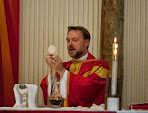
Sunday, February 3, 2019

The Fourth Sunday after the Epiphany of Our Lord (Epiphany 4)


Matthew 8:23-27; Romans 13:8-10; Jonah 1:1-17

In the Name of the Father and of the + Son and of the Holy Spirit.
Why do bad things happen to good people? You might be surprised to learn that God’s Word does provide an answer to that question, but you’re probably not going to like it. The answer to the question, “Why do bad things happen to good people,” God’s answer to that question, is that there are no good people. Remember the words of St. Paul to the Church at Rome: “All have sinnedand fall short of the glory of God,” and “there is none that is righteous, not even one.” And, remember Jesus’ own words to a rich young man who called Him good teacher; Jesus answered him, “Why do you call me good? No one is goodexcept God alone.” Therefore, instead of asking the question, “Why do bad things happen to good people,” perhaps you should be asking, “Why don’t bad things happen to me continually?” Truly, you shouldn’t wonder why a terrible thing has happened to this person or to that person, but rather why you, who are just as deserving as they, have, by the grace of God, been spared. That’s the true mystery of it all, the mystery of God’s grace in Jesus Christ.
The so-called “Problem of Evil” isn’t really a problem at all when you take God’s Word and your sin seriously. In the beginning there was God, period. God created all things that exist, including humankind, and it was good; in fact, it was very good. There was no evil in God’s very good creation. There was only God, who is good, and the good creation He created. However, God gave us a free will, that is, a will that was free to reject Him and His goodness and choose something else, something other – evil. So, why is there evil in the world? It’s not because God created evil, but it is because His free creatures, man and woman, chose to reject God, to rebel against His goodness; it is because God’s free creatures chose evil over good. Because of mankind’s free choice of evil over God’s Word and goodness death entered the world. This was mankind’s choice and doing, not God’s. While it may be incorrect, and certainly unhelpful and unkind, to suggest that any person’s suffering is the direct result of his or her sin, it is not incorrect to say that suffering and death in general are the result of sin in the world, sin and death that came into the world, not by God’s choice, but by man’s. And so, the storms of life often encompass us and threaten to destroy us. But, we need not fear, for God is still good, and He is still God, and that means that He is in control. Though He did not create the evil that afflicts us nor introduce it into His good creation, He is still LORD of all, and He will restore all things, in His way and in His time, to order, goodness, and perfection once again.
The LORD commanded Jonah to go to wicked Nineveh and preach His Word, His Law and Gospel, that they might turn in repentance and find salvation in Him. But, Jonah didn’t want to go. More importantly, Jonah didn’t want to go, not because he feared the Ninevites or that God’s Word would be ineffective, but quite the contrary, Jonah fully believed that the LORD’s would was powerful to turn the Ninevites in repentance so that they could be saved. Jonah didn’t want that to happen; he felt that this was too good for those wicked people, and that they shouldn’t have the opportunity to receive forgiveness. So, Jonah made a choice; he chose to reject God and His goodness and to run away and hide from God. He charted a freighter and sailed off for Tarshish, hidden and fast asleep in its hold. The LORD permitted a ferocious storm to come upon the ship. The wind roared and the waves buffeted the ship striking terror into the hearts of the sailors that they would be overcome and perish. Now, storms and gails, trials and tribulations, come and go upon us all. They are not of God, who is good and the rule and measure of all that is good, but they are under His control and He permits or prevents them from befalling us according to His good and gracious will.
Jonah knew this fully well. When the sailors awakened him in their terror, Jonah confessed that this was God’s doing, and that it was because of his sinful rebellion that He permitted the storm to afflict them. He told them to throw him overboard and that the storm would cease. Whereas before the storm Jonah refused to obey the LORD and preach His Word to the NInevites that they might repent and be saved, now Jonah was willing to die that the pagan sailors might be saved. And so, they threw Jonah into the see, and the storm was stilled, and many of the sailors believed in the LORD who made the sea and the wind and is their Master. But, then the LORD did something more; He sent a great fish to swallow Jonah. Jonah spent three days and three nights in the belly of the great fish where he prayed fervently to the LORD that He might save him. Though his sin was his own and he justly deserved death and eternal torment, the LORD heard and answered Jonah’s prayer and, demonstrating His power and authority once again, this time over the beasts of the earth, the LORD caused the great fish to vomit Jonah out on dry land. And the LORD commanded Jonah a second to time to go and preach repentance to the Ninevites. This time Jonah obeyed. He preached repentance to the Ninevites, and the Holy Spirit worked contrition in their hearts and they cried out to God and were spared His impending judgment. Truly, the LORD works all things together for good, even the rebellious and evil things that we and other men do, for the good of those who are called according to His purpose.
So often it seems that God’s ways are not our ways. What we count as foolishness may we come to see as wisdom by His Holy Spirit through His Word. For, it appeared foolishness that the people of Nineveh should be forgiven. And, it appeared foolishness that the LORD would use a wicked, rebellious man to bring this Word to wicked people. And it appeared even greater foolishness still that this man should be thrown overboard and swallowed by a great fish in order to make this happen. Thus, when the scribes and Pharisees demanded a sign from Jesus in order for them to believe Him, Jesus answered them saying, “An evil and adulterous generation seeks for a sign, but no sign will be given to it except the sign of the prophet Jonah. For just as Jonah was three days and three nights in the belly of the great fish, so will the Son of Man be three days and three nights in the heart of the earth. The men of Nineveh will rise up at the judgment with this generation and condemn it, for they repented at the preaching of Jonah, and behold, something greater than Jonah is here.”
Indeed, Jesus had performed many great and miraculous signs, and still they did not believe Him. Heaven was opened, God the Father spoke, and His Holy Spirit descended upon Jesus at His baptism in the Jordan. He changed water into wine at a wedding in Cana. He healed men of leprosy and disease and of paralysis, and even raised several from death to life by the power of His life-giving and creative Word. Jesus had demonstrated His authority and control over the forces of nature on land, and then He demonstrated the same over the forces of nature at sea. As in the story of Jonah, Jesus was at sea with His disciples when a terrible storm came upon them and the disciples were terrified that they would perish. All the while Jesus was sleeping. Shaking Him awake in their terror, they said to Him, “Save us, Lord; we are perishing.” Jesus arose and rebuked the winds and the sea, and there was a great calm. Then He rebuked His disciples saying, “Why are you afraid, O you of little faith?”
Why are youafraid, O you of little faith? Does your life seem to be out of control? Are there forces and powers at play that affect you that are indifferent to your suffering or need? Does it sometimes feel as if the Lord is sleeping, is powerless to help, or doesn’t care? Repent. Perhaps the LORD is causing your idols to be stripped away, those persons and things in which you have knowingly or unknowingly placed your fear, love, and trust over, above, or in place of Him. Repent. It is good that they be tossed overboard and buried in the depths of the sea. When you are tempted to cower in fear, hopelessness, and despair at what is befalling you and the world, and when you are tempted to flee from the presence of the LORD and His will, remember that He is awake and active, upholding heaven and earth and the laws of nature and all things for you, His beloved.
God permits storms and trials to come upon you, but He also rescues you in them so that you may see clearly His protection. Jesus’ kingdom, His Church, is strengthened and grows by sorrow and trial as by these the LORD calls you to turn your attention away from yourself and back towards Him. The LORD uses storms and trials to perfect your faith and to strengthen your weak and little faith. Your Lord is present with you always, even if unseen or seemingly inactive and asleep. He is in this place, this boat, this ship, this ark, His Church, commanding the natural elements of Word and Water, Bread and Wine to serve you, to absolve you, to strengthen you, to equip you and to send you. Do not be afraid. Your LORD, Your God, is present to save you.
In the + Name of Jesus. Amen.

Sunday, January 27, 2019

The Third Sunday after the Epiphany of Our Lord (Epiphany 3)


Matthew 8:1-13; Romans 12:16-21; 2 Kings 5:1-15a

In the Name of the Father and of the + Son and of the Holy Spirit.
It is a lesson about faith. It is a lesson about authority. It is a lesson about the creative power of the Word of God. It is a lesson about truehealing in the forgiveness of sins. It is a lesson about the Gospel extended to the Gentiles. It is a lesson about Jesus made manifest as the Son of God in our own human flesh. It is a lesson about humility and repentance in receiving mercy from God and in showing mercy to our neighbors. Indeed, our Gospel lesson today is about all these lessons and many, many more, all at the same time, for the Word of God is an inexhaustible fountain of life and an inviting mystery that draws the faithful ever deeper into the life of God Himself.
In the Gospel lesson we are presented first with a Jewish leper and then with a Roman centurion, a commander of a hundred men, both of whom appeal to Jesus, the leper for cleansing and the centurion for the healing of his dying servant. Clearly the leper is a man of great faith. He dared to approach His Lord in his uncleanness and appealed to the Lord’s will saying, “Lord, if you will, you can make me clean.” His words are an outstanding confession of faith in the good will, nature, and essence of His Lord. His confession is like unto Job’s – the Lord gives and the Lord takes away; blessed be the Name of the Lord – in that, even if it were notthe Lord’s will to cleanse, the good will, nature, and essence of the Lord would not be changed in any way. But, the centurion outdid the leper in his confession. The centurion, initially, did not confess anything about Jesus, but merely laid his concern for his dying servant before the Lord. Without hesitation, Jesus said that He would go to his servant and heal him. But, this is when the centurion makes his great confession saying, “Lord, I am not worthy to have you come under my roof, but only say the word, and my servant will be healed.” What made the centurion’s confession great was not so much what he said about his Lord as it was what he said about himself – I am not worthy.
I am not worthy. I do not deserve your healing and forgiveness. I a poor and miserable sinner confess…. My brothers and sisters, we come before our Lord with no expectation of entitlements and with nothing of our own to offer. Rather, we come before the Lord as idolaters, as prodigals, as murderers, adulterers, and thieves. In humility and repentance we confess our sins and our iniquities against the Lord. We confess that we are worthy only of temporal and eternal punishment. We confess that to remain an unclean leper is too good for us. And, we confess our repentance and contrition and pray for the Lord’s mercy for the sake of the holy, innocent, bitter sufferings and death of Jesus Christ alone. “Lord, I am not worthy,” we confess. “I forgive you all your sins,” our Lord replies. “Truly, I tell you, with no one in Israel have I found such faith.”
In a beautiful display of the unity and concord of the Holy Scriptures, the Church, in Her wisdom, has assigned as the Old Testament lesson for this day the complimentary narrative concerning Naaman of Syria. Whereas, in the Gospel we were presented with a Jewish leper and a Roman centurion, Naaman is at once a Syrian commander anda leper. Now, Naaman was a powerful man of great authority and influence, and, yet, he was also a leper. Apparently, it seems, the disease of leprosy had not the same social stigma amongst the Syrians as it did amongst the Jews. Further, this may be indicative of the corruption of the pagan Syrian culture. Thus, when Naaman was informed that there was a prophet in Israel who could heal him, despite his leprosy, he was bold to go directly to the king of Israel. But, having, himself, no power to heal, the king of Israel was distraught. Thus, Elisha the prophet counseled the king to send Naaman to him. So, Naaman then came to Elisha with his horses and chariots and stood outside his house awaiting an audience with the prophet. But, Elisha sent out a messenger instead. The messenger instructed Naaman to wash in the Jordan seven times and that his flesh would be restored and he would be clean. But, Naaman was angry that neither the king nor the prophet would come to him in person. And, he expected ceremonial invocations and showy hand-wavings to accompany such a miracle. Also, he was repulsed by the lowly waters of Israel in comparison to the rivers of Damascus. And, so we see that Naaman is the exact opposite of the Roman centurion. Naaman came to the king and then to Elisha with expectations of entitlement and with a sense of self-worth that he merited respect and honor. He was offended and scandalized that a mere messenger and not the prophet himself would speak to him. He was offended and scandalized that he was given only the command to wash. And he was offended and scandalized that he was to submit himself to washing in such lowly and common waters as the Jordan in Israel. He would not accept the word delivered through subordinates and he would not surrender his own expectations, desires, and will even for the promise of healing.
How like Naaman are you, thinking that the uncleanness of your sin is no big deal and that you are entitled to be heard and served by your Lord on your own terms, according to your own preferences and expectations? How often are you offended and scandalized by the means and the messengers through which your Lord ministers to you, thinking them old fashioned, irrelevant, outdated, and foolish? How often do you think that what is desirable, beautiful, glorious, and pleasurable in your eyes should determine how we worship before our Lord? How often do you leave in a huff and grumble in anger, inciting others to join in your malcontent? Of this you must repent daily, for you are not worthy that the Lord should enter under your roof.
Nevertheless, thanks be to God, He doesspeak His Word and you arehealed. And, it is a great Word that your God has spoken to you, the Word become flesh, dwelling amongst us, whose Name is Jesus, God’s salvation. Thou you were not worthy that He should come under your roof, He has come into your flesh and has joined you into Him. Though He had no uncleanness of His own, He submitted Himself to be baptized in the Jordan for you, to become the Lord’s anointed scapegoat, taking your leprous sin, and the sin of the whole world, upon Himself, to defeat Satan’s temptations and to destroy death by His own death upon the cross. All this He gives you freely in Holy Baptism without ceremonial hand-wavings and impressive flair, but with humble, common water and His mighty, creative, and life-giving Word delivered by humble and common messengers and servants.
The Lord does indeed have authority, as confessed by the centurion, over heaven and earth, yet it is not evidenced in the worldly ways desired by Naaman, but in and through humble means does the Lord exercise His authority to forgive sins and heal, cure, and raise up men afflicted by sin’s poison and death. Though the wages of sin is, universally, death, and though all afflictions, disease, and sufferings are but the symptoms of sin, Jesus is the victor over death. Thus He is the Great Physician of your body and soul and He is the Medicine of Immortality who brings life to all who receive Him. You are not worthy that He should enter under your roof, nevertheless, He has come amongst you and has drawn you into Himself. Even now He is present with His life-giving Word to cleanse and forgive you, to feed and sustain you, and to send you as His messengers of mercy for the life of the world.
In the + Name of Jesus. Amen.

Sunday, January 20, 2019

The Second Sunday after the Epiphany of Our Lord (Epiphany 2)


John 2:1-11; Romans 12:6-16; Exodus 33:12-23

In the Name of the Father and of the + Son and of the Holy Spirit.
And so we are in the midst of the season of Epiphany. Each Sunday’s lessons were selected over a millennium ago by the gathering of the faithful, the Church, because they manifest whom Jesus is and what He has come to do. Therefore, when we consider these Scriptures, we must consider not only how they would have been heard and understood at the time of their telling, but also what meaning was intended from their placement within the Gospel narrative and the Church’s historic lectionary. Thus, the Wedding at Cana tells us, not merely the story of a particular wedding, although it certainly does that, but we must consider also the Evangelist’s placement of this particular story within the Gospel he authored. Indeed, this story appears only in John’s Gospel, and it is followed immediately by Jesus’ cleansing of the temple, which the other Gospels place within the account of Jesus’ passion. What are we to make of John’s inclusion of this wedding, seemingly ignored by the Synoptics? What are we to make of John’s unusual connection of this narrative with the cleansing of the temple? These are but two questions to be considered on this Second Sunday after the Epiphany of our Lord, that Jesus may be made manifest before us as God’s Son and our salvation in human flesh.
Understood as God instituted it, there is something about marriage that is connected with death – the death of the self. For, in marriage, the husband dies to himself and pledges his life to his wife; likewise, the wife dies to herself and pledges her life to her husband. In this selfless and self-sacrificial way, the two become one flesh. They are no longer two, but they are one flesh, even one creature, united by God, which man must not separate. St. John records Jesus’ first miracle having taken place at a wedding and, to be sure, passion imagery abounds: The crisis occurred “on the third day” of a wedding feast. Jesus said that His “hour had not yet come.” In the casting out of the money-changers from the temple, which follows immediately upon the wedding narrative, Jesus makes an explicit reference to His death and resurrection saying “Destroy this temple, and in three days I will raise it up.” The temple He was referring to was His body. For, it was through His suffering, death, and resurrection that Jesus perfectly loved His Bride, the Church, giving His life for Her. He loved Her more than He loved Himself. He laid down His life for Her in selfless, sacrificial love that She might live. This is the connection that John, and the Holy Spirit who inspired him to write, mean for you to make.
Therefore, the crisis was not merely that a wedding banquet had run out of wine, though that would surely have been a social blunder and a great embarrassment for the family, but rather the crisis was that man’s life, joy, and hope for the future had run out because of his sin – the joylessness and hopelessness of death had become his fate. This was the crisis that His faithful mother, who believed in Him, asked Him to resolve. This was the crisis that He did resolve by fulfilling God’s Law for us and by dying in our place, that we might have life and joy and hope once again. Those six stone jars held water used to purify men for participation in the feast. Jesus had those jars filled to the brim so that they were full and complete, and then He did something more: He changed the water into wine, the finest wine imaginable. Where the water only purified for a time, His blood that He shed upon the cross for us purifies forever. Indeed, He gives us His cleansing blood now in the fruit of the vine which we drink in Holy Communion for the forgiveness of our sins, the strengthening of our faith, and eternal life through faith in Him.
John’s Gospel is thought to be constructed around seven signs performed by Jesus, of which the changing of water into wine is the first. Thus, John’s Gospel is more a catechism intended to teach the faithful revealed truths about Jesus than it is a narrative telling the story of His life and works. Each and every account recorded by John was selected and recorded for a specific purpose. Ultimately, that purpose was to demonstrate that, in Jesus, God’s Messianic reign had begun through which Jesus would restore His Father’s kingdom and make all things new. This is precisely how we must understand today’s Gospel: Jesus is revealed as God’s Messiah come to restore His fallen creation by means of His selfless and sacrificial death on the cross. Where man’s sin had introduced suffering and death into the world, robbing us of peace and joy and hope, Jesus came, not merely to reverse the curse, but to fulfill perfectly and completely all that we failed to do and then, even more, to recreate, restore, and renew His Father’s kingdom.
Jesus is the perfect and sinless Bridegroom who selflessly laid down His life in death to redeem His Bride, God’s children, the Church from Her sin and death. His life was Her life. She had forfeited Her own life, not for Her Husband, but to Satan. While God was faithful and selfless, His people played the adulterer, the fornicator, the idolater, and the unfaithful Bride. Because of this, man’s wedding feast had run out of wine, and there was no human way of getting more, of restoring man’s peace, hope, and joy. Mary, the mother of our Lord, has long been a symbol of the entire Church. In this narrative, it is Mary who appeals to Jesus in faith saying, “Do something!” Mary believed that Jesus was able to do something and that He would. His odd sounding protest is actually quite revealing, “My hour has not yet come.” Jesus’ “hour” is the time of His passion, His suffering and death upon the cross. Jesus answered His mother saying, “The time for me to lay down my life in selfless sacrifice and death for the Church has not yet come. Nevertheless, I will give this foretaste and foreshadowing of who I am and what I will do now. I will change the water of purification into the wine of joy as a sign that my dear Bride may trust in me and believe that I will purify Her and restore to her hope for eternal life and joy when I shed my blood for Her upon the cross.”
When the master of the feast tasted the water that had been made to be the finest of wines, he exclaimed, “Everyone serves the good wine first, and when people have drunk freely, then the poor wine. But you have kept the good wine until now.” Indeed, this is how it is with men, but not with God. Whatever you have received from God that you count as good, now, is but a foretaste of the goodness He has laid up for you. This is as true for you today as it was for Adam in the beginning, for Abraham, Isaac, Jacob, and Moses, for David, for the guests at the wedding in Cana, and for the saints at rest with Jesus now. We are all, still, waiting in hopeful and joyful expectation for the feast to come, the Great Marriage Feast of the Lamb in His Kingdom that has no end! Yes! That is how the Revelation describes heaven, as a wedding feast where the Bridegroom is Jesus and where you, His Church, are the Bride! It is pictured as Eden, the Garden of Paradise, on steroids – so much greater still than that which we commonly consider perfection and paradise!
This kingdom is yours even now, though you do not see it or experience in its fullness and glory. However, you do see it and experience it through God’s Word and His Blessed Sacraments, particularly and especially in the Supper of the Lamb who has died and is alive again. Here at this banquet table we receive our sustenance and life, our hope and faith is strengthened and renewed, and we are kept and preserved in eternal life through Holy Communion with our living Lord and Husband. Yet, as good and comforting and revitalizing as it is, it is but the dimmest foretaste of that Great Feast to come! It is like manna during our wilderness pilgrimage. It is like the overflowing cup as we walk though the valley of the shadow of death. But, it is enough, it is more than enough for now, for through it, in communion with Christ, we do not walk alone, but He is with us, just as He promised, unto the end of the age.
In the + Name of Jesus. Amen.